AI-Ready Enterprise Data Strategy for 2026: From Fragmented Lakes to Governed Data Product
Stop building data platforms for human dashboards alone and build an enterprise data strategy designed for machine context.

TL;DR
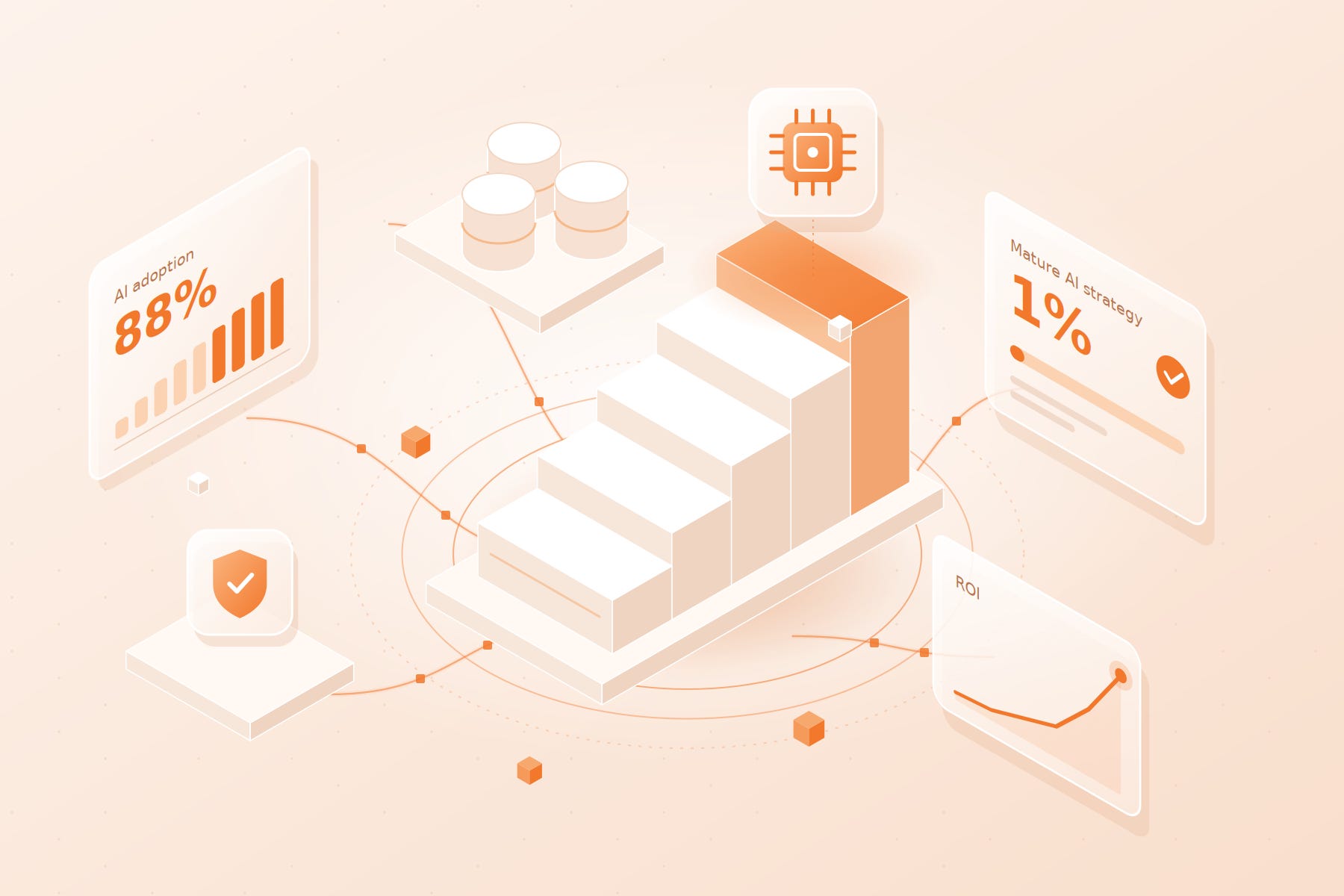
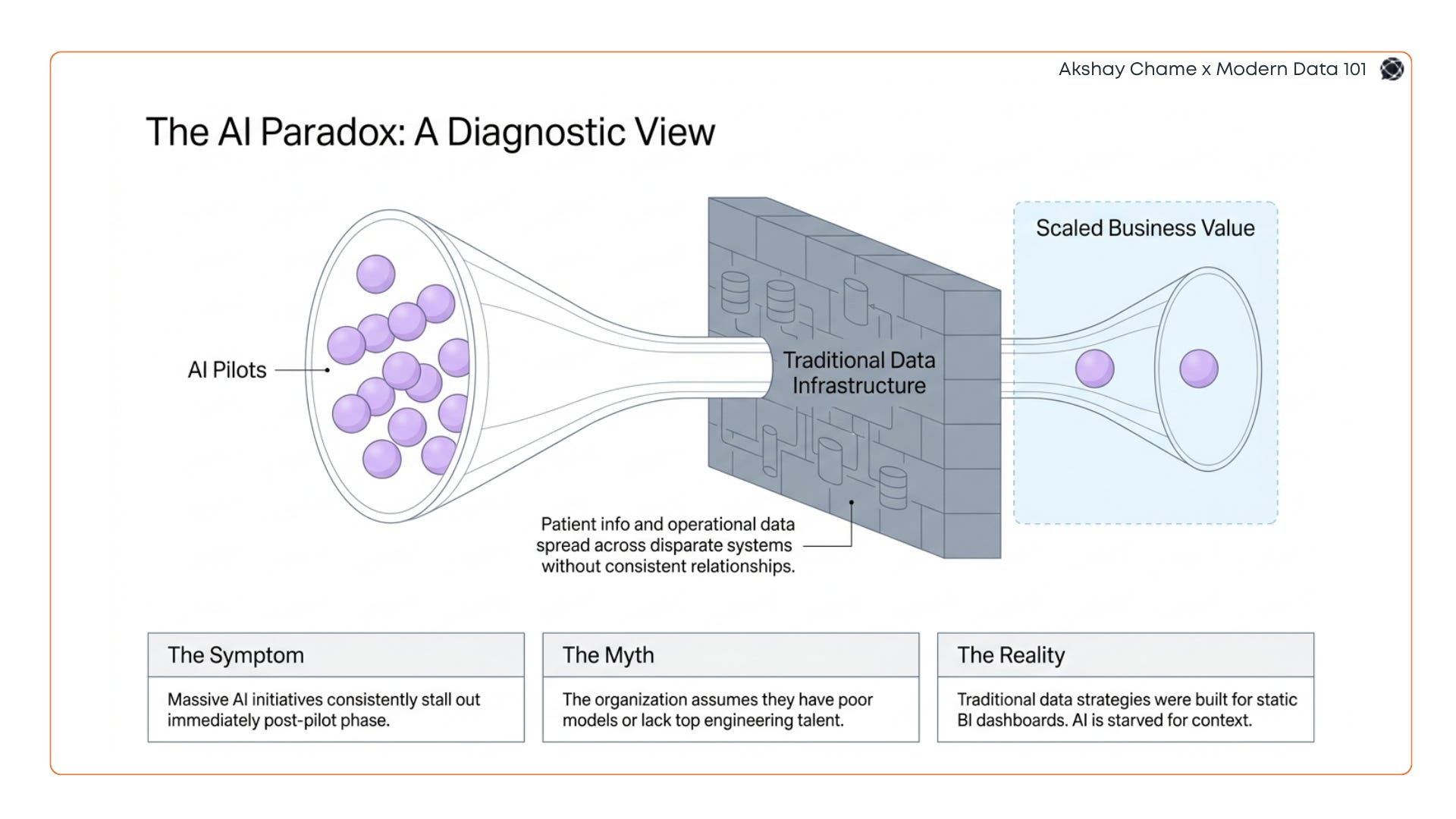
- AI initiatives stall post-pilot not because of poor models, but because traditional enterprise data strategies were built for static BI dashboards, leaving AI systems starved for business context and trust.
- An effective data analytics strategy replaces isolated, duplicated datasets with reusable, governed data products complete with defined ownership, quality metrics, and versioned APIs.
- AI models recognise patterns but lack business intuition. A robust data governance strategy must embed semantic definitions and business rules directly into the platform layer to prevent costly hallucinations.
- A winning data platform strategy prioritises lean execution and business outcomes over sheer data volume, building a foundation where both human analysts and AI systems consume the same trusted source of truth.
Despite significant investments in data platforms and analytics tools, many organisations still find that AI initiatives stall after pilot stages. Models lack context, teams cannot discover reliable data, and different departments often work with conflicting definitions of the same business concepts.
The problem is rarely AI itself. More often, it is the absence of an enterprise data strategy designed for AI.
Building an AI-ready enterprise requires more than collecting data and deploying models. It requires creating a foundation where data is discoverable, trusted, contextual, and reusable across teams and use cases.
In this guide, we’ll explore how modern data platforms, data products, and business semantics come together to create an enterprise data strategy that is genuinely prepared for AI.
[related-1]
Why Traditional Data Strategies Fall Short for AI
Traditional data strategies were primarily designed for reporting and analytics. Their goal was to move data into warehouses and make it available for dashboards and business intelligence. AI changes those requirements entirely.
AI systems need:
- High-quality and reliable data
- Rich business context and semantics
- Discoverable and reusable datasets
- Clear definitions and ownership
- Continuous access to updated information
Simply centralising data does not automatically make it usable for AI.
For example, a large healthcare provider may have patient information spread across electronic health records, billing systems, and operational applications. Although all this data exists, AI applications often struggle because relationships, definitions, and business meaning are not consistently represented.
The result is slower development cycles, duplicate work, and AI initiatives that fail to scale.
Outcome-Driven Architecture: Aligning Data Platform Strategy with ROI
One of the biggest mistakes organisations make is beginning with tools rather than business objectives.
An effective enterprise data strategy starts by asking questions such as:
‘Which business problems are we trying to solve?’ ‘Where can AI improve efficiency or decision-making?’ ‘Which processes depend on trusted and contextual data?’
For example, a U.S. retailer may want to improve demand forecasting and inventory management using AI. The objective is not simply building a data lake or purchasing new technology. The objective is enabling better predictions through trusted and contextualised business data.
This approach helps organisations prioritise investments that directly support measurable outcomes.
[state-of-the-data-products]
Data Products for Modern Enterprise Data Strategy
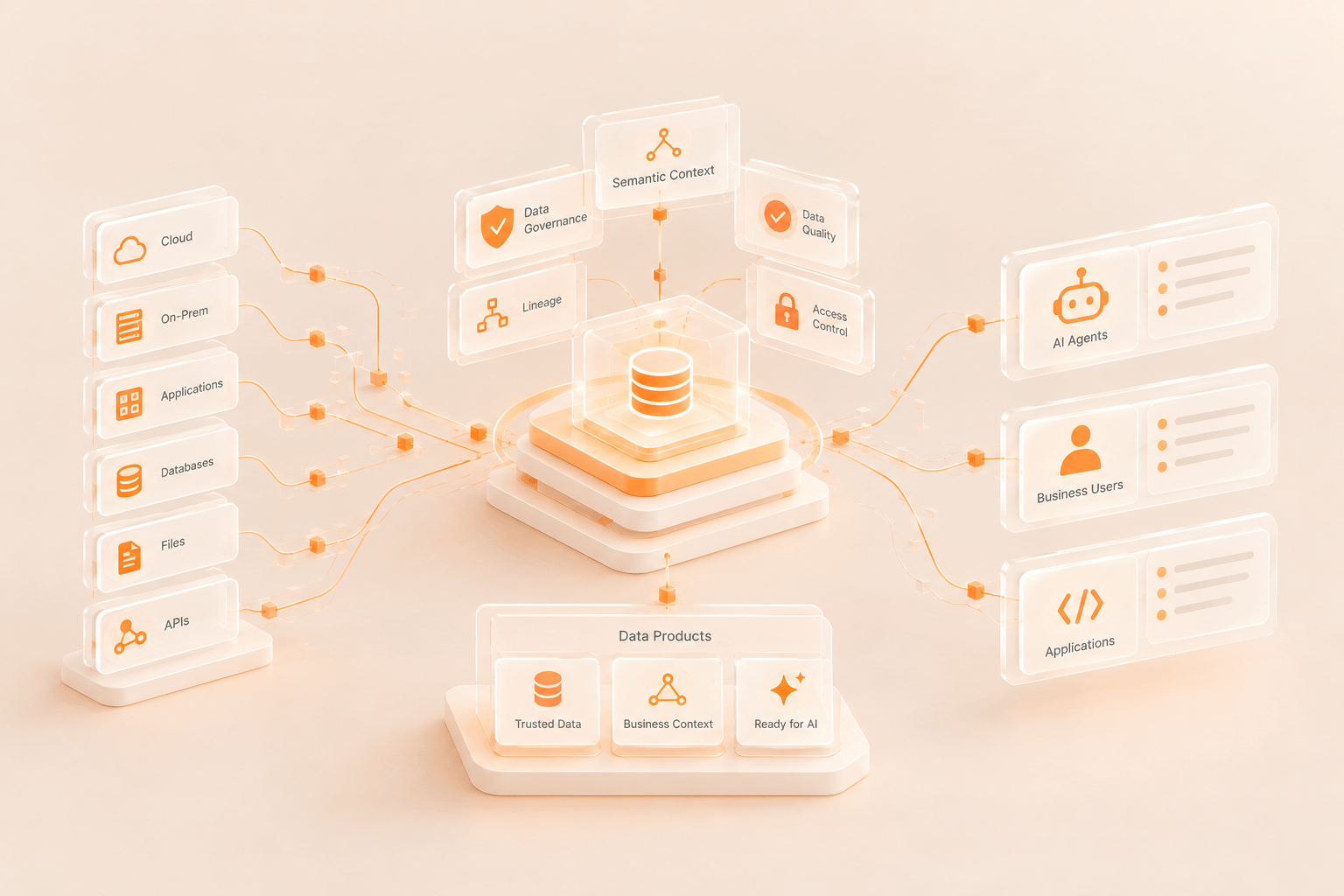
An AI-ready strategy requires a different approach. Data products package data with business definitions, metadata and documentation, quality standards, ownership and accountability and access mechanisms for reuse.
Instead of repeatedly creating the same datasets for different projects, teams can discover and consume reusable data products.
Consider customer data.
Rather than maintaining multiple versions across departments, organisations can establish a trusted customer data product that includes definitions, lineage, quality metrics, and business meaning. Marketing, operations, analytics, and AI teams can all use the same foundation.
This significantly reduces duplication and improves consistency across AI initiatives.
[related-2]
Why AI Needs Business Context and Semantics
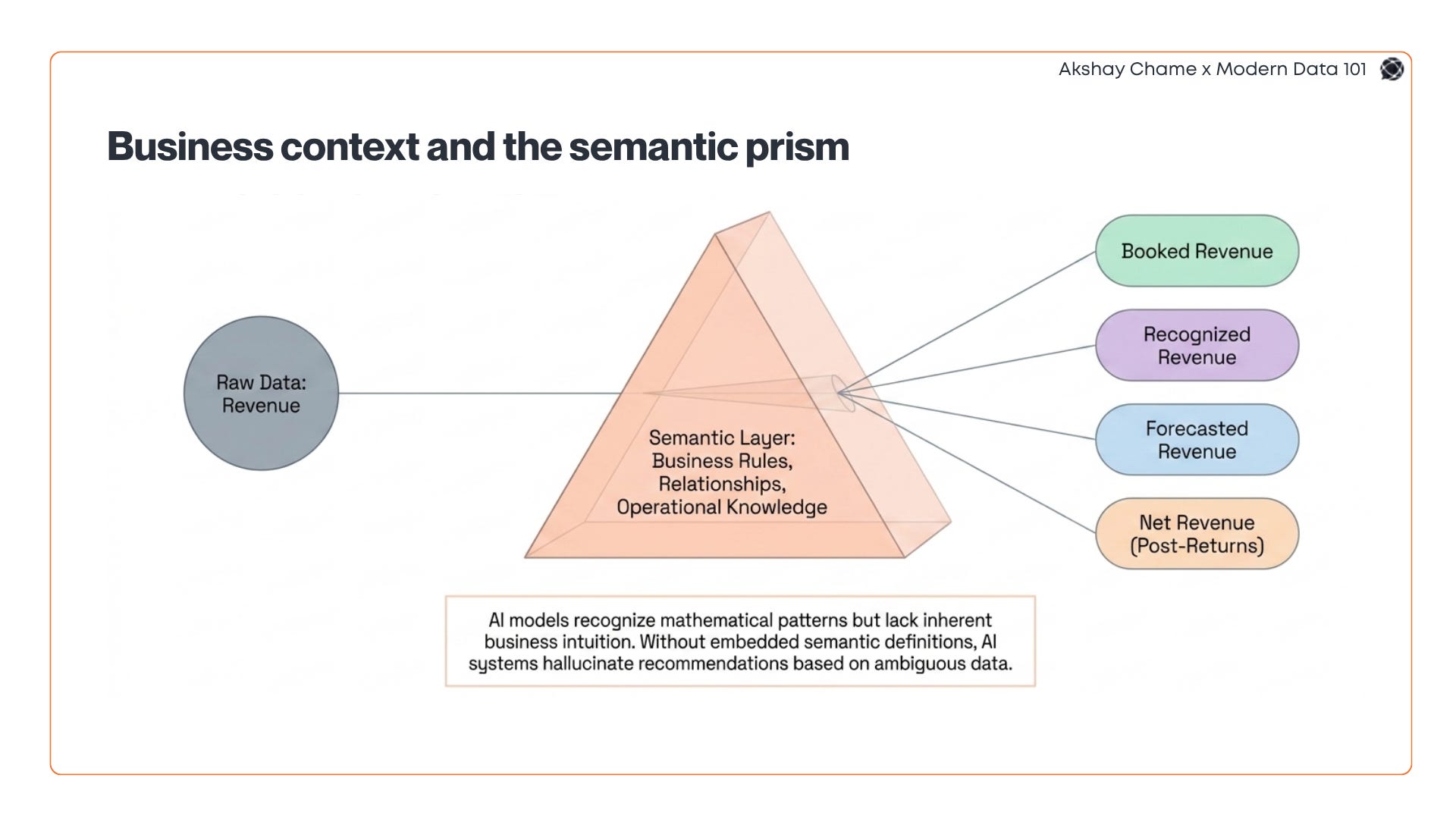
AI models process patterns, but they do not inherently understand business meaning. This is where semantics and business context become critical.
A field labelled “Revenue” may represent booked revenue, recognised revenue, forecasted revenue and net revenue after returns
Without context, AI systems may produce inaccurate recommendations and unreliable outputs. Modern enterprise data strategies therefore focus on enriching data with:
Business Definitions
Data should clearly describe what each metric, entity, and attribute means.
Relationships Between Data
AI performs better when relationships between customers, products, suppliers, and transactions are clearly represented.
Organisational Knowledge
Policies, processes, and operational definitions should be embedded into data experiences rather than remaining in documents that teams rarely access. This semantic layer allows both humans and AI systems to interpret information consistently.
Self-Service Access
Teams should access approved data products without complex dependency chains.
Governance by Design
Quality controls, access policies, and standards should be integrated into the platform experience.
Reusability
Data products and business definitions should be reusable across analytics and AI initiatives.
Leading organisations in the United States increasingly recognise that modern data platforms are not simply storage systems. They act as enabling infrastructure that allows data products and AI initiatives to scale efficiently.
Prepare Data Specifically for AI Workloads
AI systems require data that is accurate and complete, continuously updated, context-rich, easily discoverable and properly governed. For example, a financial institution building fraud detection models needs transaction data, customer profiles, device information, and business rules to be integrated and contextualised.
Without these elements, AI initiatives become expensive exercises in data preparation.
This is one reason many enterprises are exploring lean AI approaches; lean AI encourages organisations to:
- Reuse existing trusted data products
- Prioritise high-value use cases
- Reduce unnecessary data complexity
- Focus on operational efficiency and sustainability
Rather than collecting all available data, organisations identify the information that delivers measurable business outcomes.
Operational Governance Strategy: Transforming Compliance into AI Trust
As AI adoption accelerates, governance can no longer be treated as a compliance exercise. An effective enterprise data strategy establishes clear ownership of data products along with shared business definitions, data quality standards, and access and security policies.
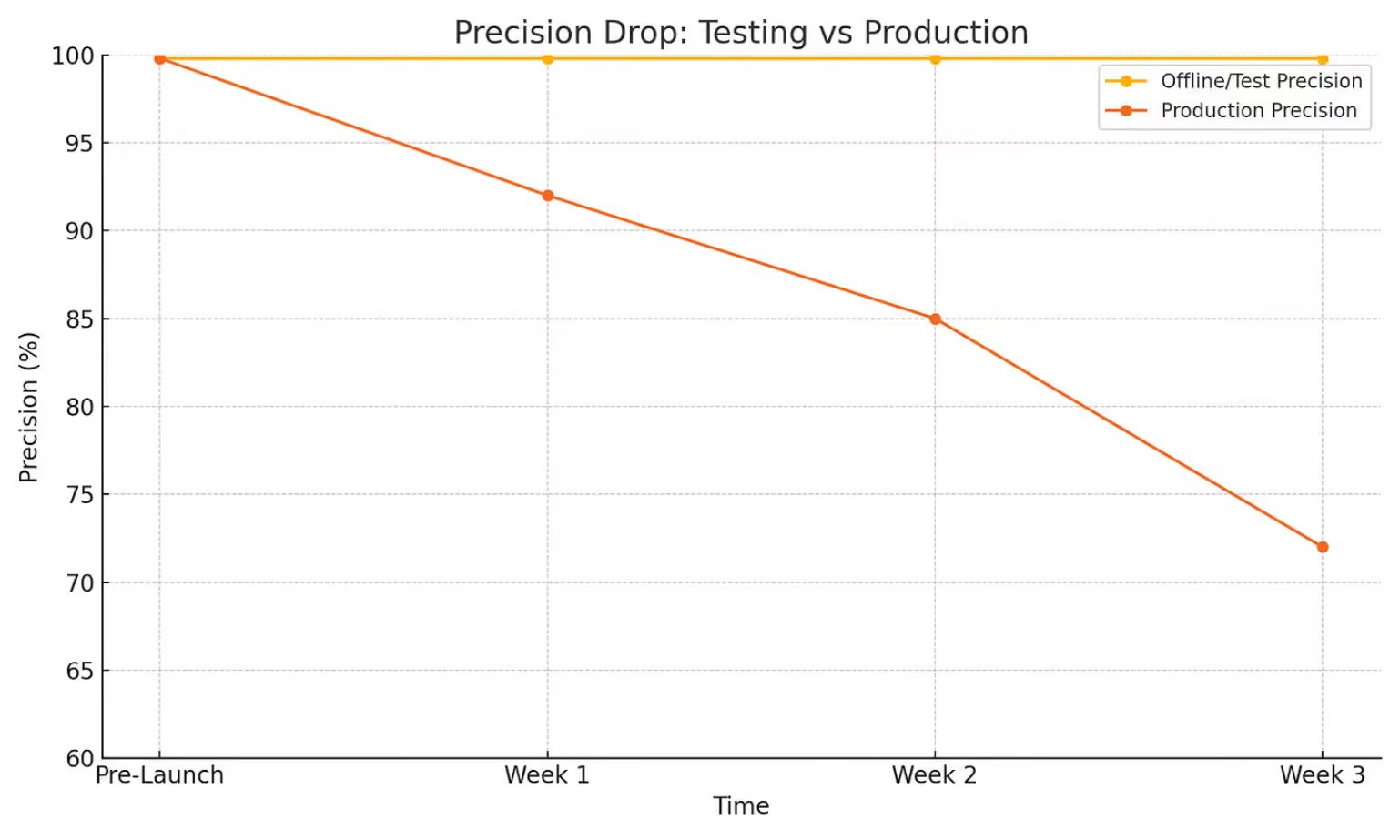
This is especially important in regulated industries throughout the United States, including healthcare, financial services, and insurance, where organisations must demonstrate transparency and accountability in how data supports AI-driven decisions.
Governance provides the trust layer that enables enterprises to confidently expand AI initiatives beyond experimentation.
The 2027 Verdict: Moving from Experimental AI to Operational Scale
Building an enterprise data strategy that is ready for AI requires more than investing in new technologies. It demands a shift toward trusted data products, business semantics, self-service data platforms, and governance that supports reuse and scalability.
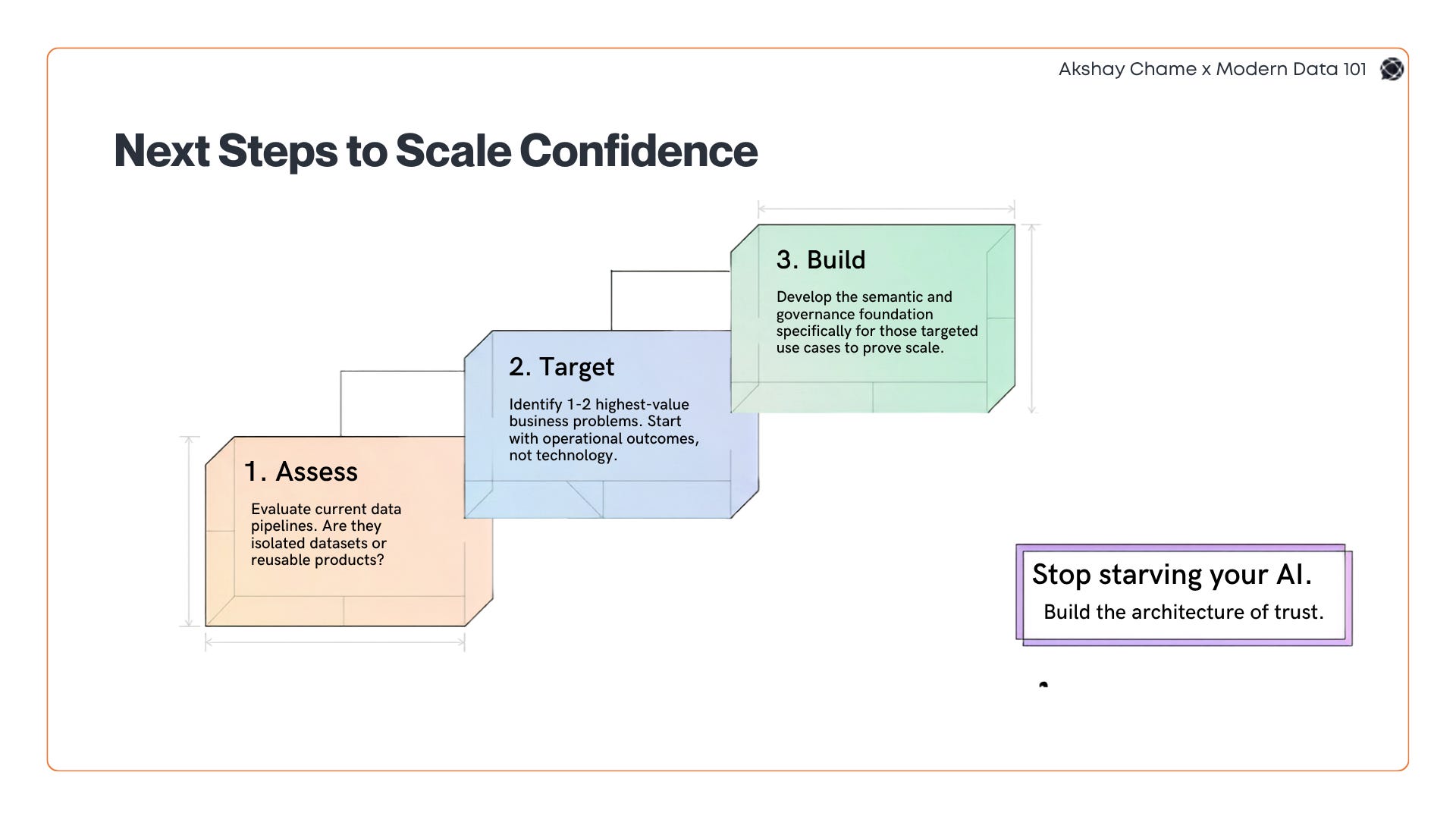
Organisations that establish these foundations are better positioned to move beyond isolated AI experiments and create systems that deliver measurable business value.
The next step is to evaluate whether your current data strategy enables trusted, contextual, and reusable data for AI. If it does not, start by identifying your highest-value business use cases and building the data foundations that allow AI initiatives to scale with confidence.
Frequently Asked Questions
What is an enterprise data strategy?
An enterprise data strategy is a framework that defines how an organisation collects, manages, governs, and uses data to achieve business objectives. In the AI era, it also focuses on making data discoverable, contextual, and reusable for intelligent systems.
What makes a data platform AI-ready?
An AI-ready data platform supports trusted data products, business context, governance, and self-service access. It enables teams and AI applications to discover and use data consistently and efficiently.
Why are data products important for AI?
Data products provide reusable, governed, and contextualised data assets. They reduce duplication, improve trust, and help AI initiatives scale across the enterprise.
How does business context improve AI outcomes?
Business context helps AI systems interpret information correctly. Definitions, relationships, and organisational knowledge reduce ambiguity and improve the reliability of AI-generated insights.
What is lean AI?
Lean AI is an approach that focuses on solving business problems efficiently by using trusted, reusable data and prioritising practical outcomes instead of maximising data collection or model complexity.
Connect with a community data expert
A no-cost session with a practitioner who's been where you are.
About Modern Data 101
Modern Data 101 is a movement redefining how the world thinks about data. A community built by the same team behind the world’s first data operating system, Modern Data 101 sits at the intersection of data, product thinking, and AI. Spread across 150+ countries, the community brings together a global network of practitioners, architects, and leaders who are actively building the next generation of data systems.
At its core, Modern Data 101 exists to simplify the journey from raw data to tangible and observable impact. It advocates high-potential data systems and next-gen architectures to unify and activate insights and automation across analytics, applications, and operational workflows at the edge.
In a world shifting from data stacks to AI ecosystems, Modern Data 101 helps teams not just navigate the change but lead it.


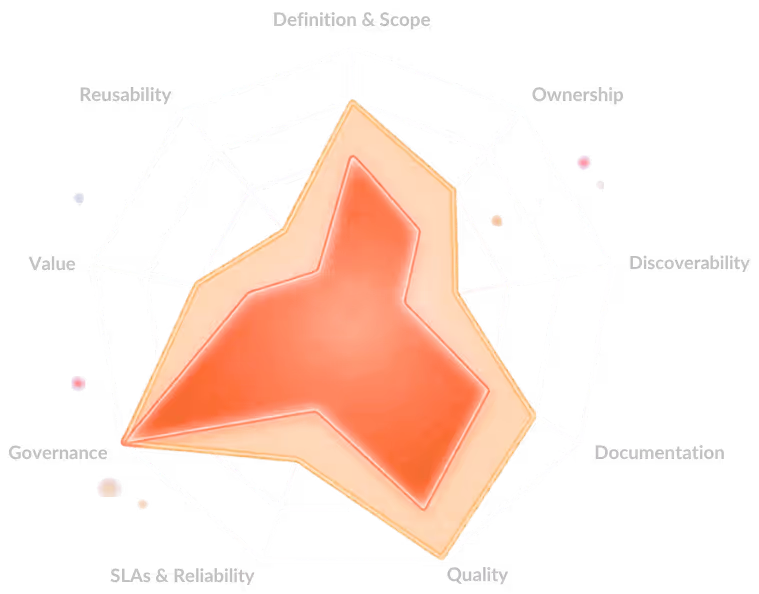
A 9-dimension self-assessment used by 100+ data teams to benchmark strategy, ownership, and platform readiness.


Akshay Chame
Akshay is a GenAI/ML engineer building production-grade AI systems, including RAG pipelines, AI agents, MCP servers, and LLM fine-tuning. An IEEE-published researcher and Smart India Hackathon 2023 winner, he is focused on scalable, reliable AI systems that move intelligent solutions from experimentation to production.
Read the ideas here. Build them with The Modern Data Company.
Modern Data 101 is where the data community thinks out loud. When you're ready to move from articles to architecture, data products, governed AI pipelines, or a full Data Operating System; the team behind this community can help you build it.
Continue reading