The 2026 Data Consumption Layer: Moving from Passive BI Dashboards to AI-Native Data Apps
Per-seat licensing and context-switching are breaking enterprise analytics. Here is how modern teams use governed APIs to build interactive, workflow-ready data tools.

TL;DR
- Traditional BI dashboards are expensive ($50k–$300k+/yr), fragmented, and force users to context-switch between static charts and actual work tools.
- Driven by "vibe coding" (AI-assisted dev) and governed semantic APIs, enterprises are replacing generic BI dashboards with lightweight, workflow-embedded data applications.
- Data apps serve as the modern consumption layer, allowing teams to consume data products directly from a data lake or data lakehouse without raw SQL risks or governance drift.
- Focus on building reusable semantic assets and governed APIs that power interactive, AI-native decision workflows.
🛑 The Problem
Traditional BI platforms are expensive, generic, and force users to constantly context-switch between dashboards and operational tools.
💡 The Shift
Driven by AI-assisted development (”vibe coding”) and governed semantic APIs, enterprises are moving away from passive reporting surfaces and toward interactive, workflow-embedded data applications.
This guide explains why data applications are emerging, what they enable, and how enterprises should think about the future of data consumption.
[related-1]
What Are Data Apps?
Data applications are interactive, workflow-embedded software tools that surface specific data to specific users, built on top of governed data sources rather than requiring a general-purpose BI platform.
These applications are becoming the new data consumption layer because organisations increasingly need workflow-oriented, AI-native experiences rather than standalone dashboards.
Modern semantic layers, governed APIs, and AI-assisted development make it possible to build lightweight analytics experiences faster and with lower engineering effort.
Unlike traditional dashboards, data apps are not passive reporting surfaces. They are active interfaces: they respond to user inputs, enforce role-based access, connect to live semantic layers, and can trigger downstream workflows or AI-assisted analysis.
The category includes internal analytics portals, embedded reporting experiences inside CRMs or ERPs, natural language query tools, AI copilot interfaces for data, and lightweight operational decision-support tools.
[state-of-data-products]
What are the Limitations of Traditional BI for Data Consumption
Did BI make us too comfortable? Yes.
Business intelligence platforms remain valuable. However, several limitations are becoming increasingly visible. But the comfort tricked us.
Workflows Are Fragmented
Users frequently switch between dashboards, spreadsheets, operational applications, and collaboration tools. Every context switch creates friction.

Experiences Are Generic
Many dashboards attempt to serve multiple audiences simultaneously. Executives, analysts, and operational teams often receive the same interface despite having entirely different requirements.
Costs Continue to Grow
Per-user licensing models can become expensive as organisations attempt to democratise analytics access across thousands of employees.
AI Is Changing User Expectations
Users increasingly expect conversational interfaces, recommendations, and guided actions instead of static visualisations. Traditional dashboard experiences were not designed for these interaction patterns.
[related-2]
Why Data Apps Are Emerging Now
Three forces have converged to make data apps both feasible and urgent for enterprise teams.
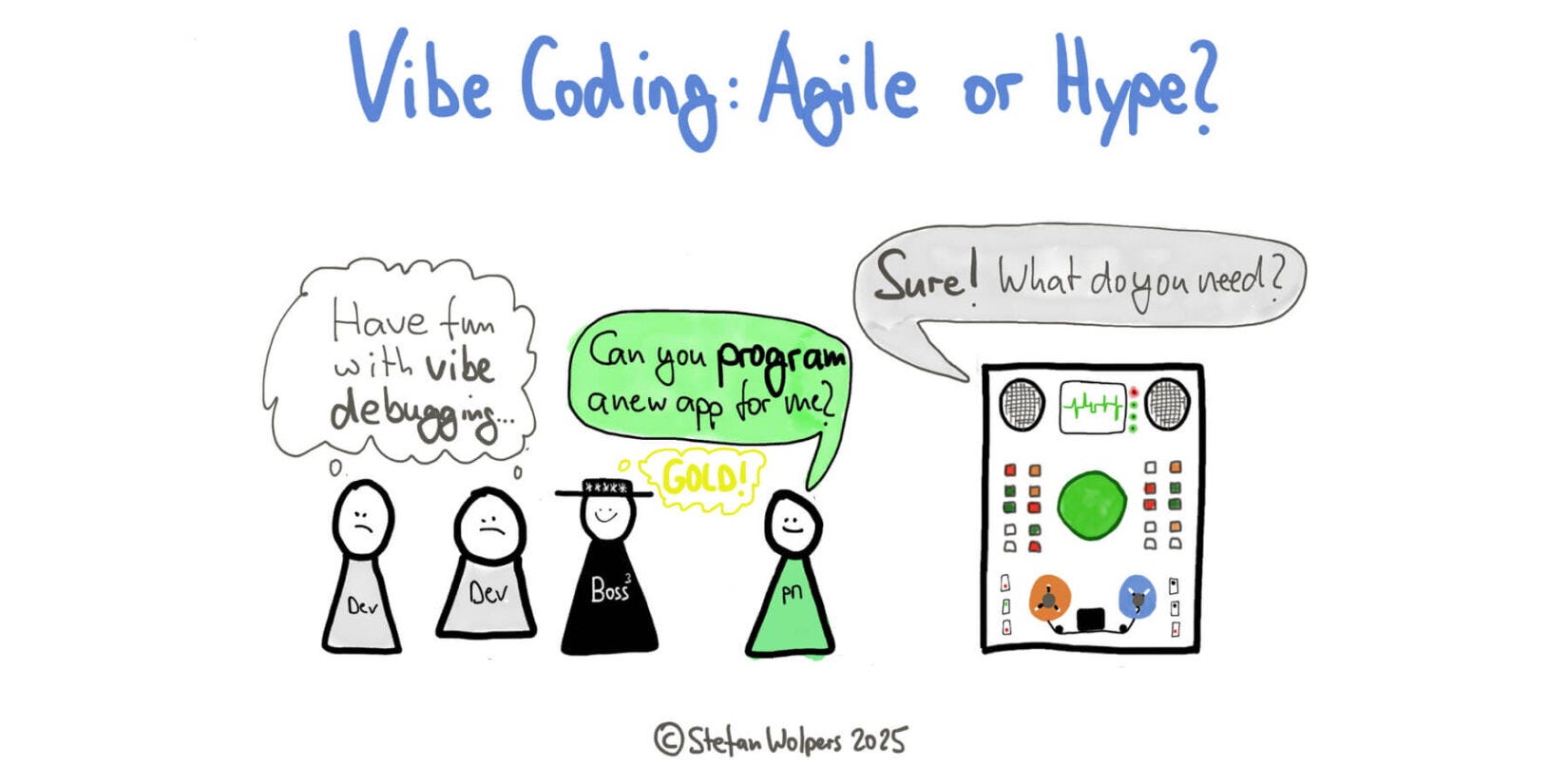
AI-assisted development has collapsed build time. What previously required a dedicated engineering team for months can now be prototyped in days using AI coding tools. Vibe coding, the practice of generating functional code through natural language prompts to LLMs, was coined by Andrej Karpathy in February 2025 and named Collins Dictionary’s Word of the Year for that year. Several market tools allow small teams to iterate on functional applications without deep front-end engineering investment.
Per-user BI licensing costs are becoming a board-level cost concern. Per-user BI licensing is becoming a board-level cost concern. Tableau and Power BI both price by creator and viewer seat, with cost rising by tier and role. For a 100–500 user deployment, monthly costs range from $1,400 (100 Power BI users) to $4,320 (100 mixed Tableau users), scaling to $5,000 (500 Power BI users) up to $18,900 (500 mixed Tableau users), roughly $227,000/year in Tableau licensing alone at the top end, before $15,000–$100,000+ in implementation and $500–$2,000 per person in training. A lightweight, purpose-built data app hosted on existing infrastructure can serve the same use case at a fraction of that cost ~ Sources: Source 1, source 2, source 3, source 4
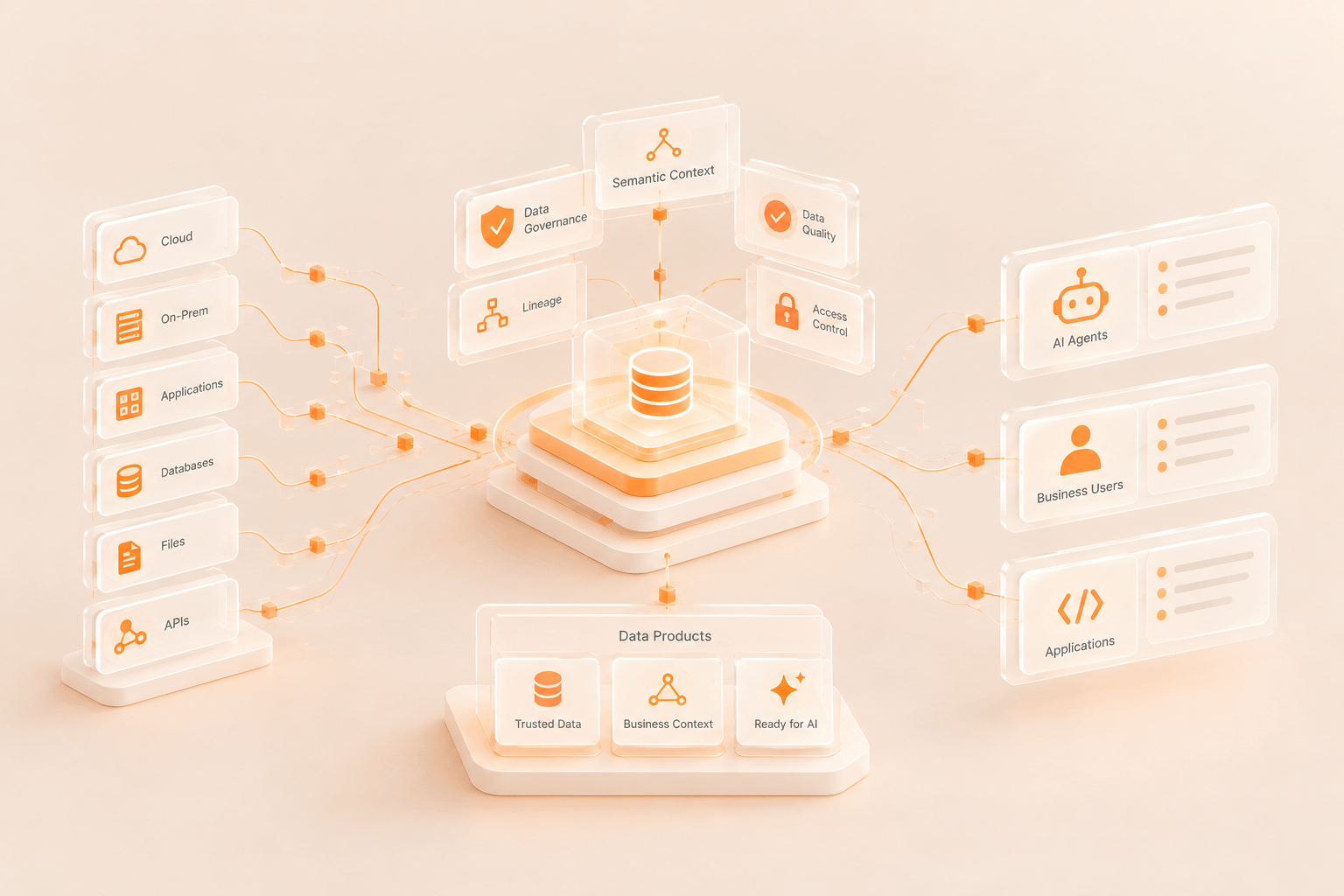
Governed APIs from data products have made safe consumption possible. The older risk with custom data apps was data quality and governance drift: developers would query raw warehouse tables directly, creating shadow analytics with inconsistent definitions. Data products expose data through thin, versioned API layers, REST and GraphQL, with semantic definitions, lineage, and access controls already baked in. This makes governed data app consumption architecturally feasible at enterprise scale.
[playbook]
What Can Organisations Build With Data Applications?
The possibilities extend far beyond dashboards.
- Embedded Analytics Experiences
- Analytics can appear directly inside operational systems where decisions are made.
- AI-Assisted Workflows
- Users can ask questions in natural language, receive recommendations, and execute guided actions.
- Business-Specific Applications
- Organisations can create applications tailored to finance, procurement, supply chain, or customer operations.
- Related read: https://www.moderndata101.com/blogs/how-to-choose-a-unified-data-platform
How Data Products Enable Data Consumption
Platforms such as the Data Product Hub by DataOS address this by providing the foundational capabilities required to turn data products into consumable business experiences. Rather than treating applications as isolated projects, the platform manages the capabilities that make data applications sustainable and reusable across the enterprise.
Semantic Models and Consumption APIs
Data applications should not recreate business logic.
Platforms like DataOS allow teams to define metrics, dimensions, and business semantics once and expose them through APIs and multiple consumption channels. This creates consistency across dashboards, applications, AI agents, and embedded experiences because every consumer operates on the same business definitions.
Governed Access and Policy Enforcement
Data applications frequently expose sensitive information. Data product platforms automatically enforce access policies and masking rules across APIs and applications, ensuring that governance follows the data regardless of where it is consumed. Security becomes an inherent property of the consumption layer rather than an afterthought implemented separately in every application.
Metadata and Discoverability
Applications are only useful if teams can find and trust the underlying data products.
DataOS provides unified metadata management, lineage, ownership information, quality indicators, and documentation through its metadata services. This enables developers and business teams to discover the right data products and understand their suitability before incorporating them into applications.
Native Application Hosting and Deployment
Data platforms enable organisations to develop and host custom applications built with frameworks, expose them securely, and integrate them into existing enterprise systems through APIs and URLs. This dramatically reduces the friction between creating a data product and turning it into a consumable business application.
AI-Native Consumption Experiences
Natural language interfaces and AI copilots are becoming an expected way of interacting with data.
DataOS supports applications that leverage semantic models and LLM capabilities to enable conversational access to governed data products. Both technical and business users can query data through natural language without having to understand the underlying complexity of SQL, APIs, or data models.
In a Nutshell
Several organisations think about data applications from the top down: start with an interface and then connect it to data. The more sustainable approach could actually be a different one.
Treating applications as consumption experiences built on top of reusable, governed data products makes the application replaceable. The underlying semantic definitions, governance policies, metadata, and APIs become the enduring assets.
Organisations that get this right do not build individual dashboards or apps. They build a platform capability that allows new consumption experiences to emerge continuously, whether those experiences are dashboards, embedded workflows, customer-facing applications, or AI agents.
FAQs
What is a data application?
A data application is a purpose-built software experience that combines governed data, business logic, and interaction capabilities to support specific workflows and decisions.
How are data applications different from dashboards?
Dashboards primarily visualise information. Data applications embed analytics directly into workflows and often support actions, recommendations, and conversational interactions.
Why are semantic APIs important for data applications?
Semantic APIs ensure applications use consistent business definitions, governed access controls, and reusable metrics, reducing duplication and improving trust.
Can AI replace traditional business intelligence platforms?
No. AI expands how users interact with data but does not eliminate the need for trusted semantic foundations and governed analytics infrastructure.
Are data applications expensive to build?
Modern AI-assisted development tools significantly reduce development effort, enabling teams to rapidly prototype and maintain lightweight applications.
Connect with a community data expert
A no-cost session with a practitioner who's been where you are.
About Modern Data 101
Modern Data 101 is a movement redefining how the world thinks about data. A community built by the same team behind the world’s first data operating system, Modern Data 101 sits at the intersection of data, product thinking, and AI. Spread across 150+ countries, the community brings together a global network of practitioners, architects, and leaders who are actively building the next generation of data systems.
At its core, Modern Data 101 exists to simplify the journey from raw data to tangible and observable impact. It advocates high-potential data systems and next-gen architectures to unify and activate insights and automation across analytics, applications, and operational workflows at the edge.
In a world shifting from data stacks to AI ecosystems, Modern Data 101 helps teams not just navigate the change but lead it.


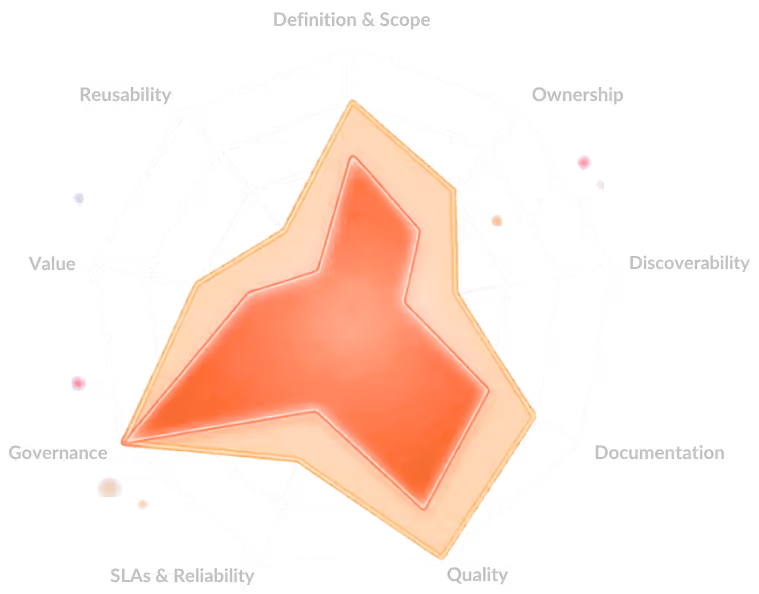
Where does your org stand on data product maturity?
A 9-dimension self-assessment used by 100+ data teams to benchmark strategy, ownership, and platform readiness.


Aishwarya Sharma
Aishwarya is a Senior Analytics Engineer at The Modern Data Company, focused on building end-to-end data solutions that bridge engineering and analytics. He works across data pipelines, modelling, and visualisation to deliver reliable, business-ready insights, combining strong technical expertise with a practical, problem-solving approach to modern data systems.
Read the ideas here. Build them with The Modern Data Company.
Modern Data 101 is where the data community thinks out loud. When you're ready to move from articles to architecture, data products, governed AI pipelines, or a full Data Operating System; the team behind this community can help you build it.
Continue reading