
Data Consumption Trends in 2026: How AI Is Changing the Way Enterprises Consume Data
AI assistants, autonomous agents, customer applications, and intelligent systems have become some of the largest consumers of business data. Here’s how that shift is reshaping real-time architectures, semantic layers, governance, Data Products, and Data Operating Systems in 2026.

TL;DR
- Enterprise data is no longer built solely for human analysts reading dashboards. Autonomous AI agents, recommendation engines, and operational systems are now major, real-time consumers of business data.
- Context > Volume. Machines don't have tribal knowledge or human intuition. AI outputs depend entirely on explicit metadata, lineage, and semantic consistency to avoid acting on outdated or ambiguous data.
- Governance is an active operational layer that ensures data is trusted before autonomous agents take action.
- Packaging individual Data Products was step one. To unify hundreds of domain-specific data products across complex clouds, enterprises are adopting a Data Operating System layer to standardise governance and access at scale.
We often hear organisations talk about the sheer volume of data they generate. Presentations inevitably mention petabytes stored, millions of customer records, or billions of events flowing through pipelines every day. Those numbers certainly make for impressive slides, but they don’t tell us much about where enterprise data is actually heading.
A far more interesting question is this: who is consuming that data?
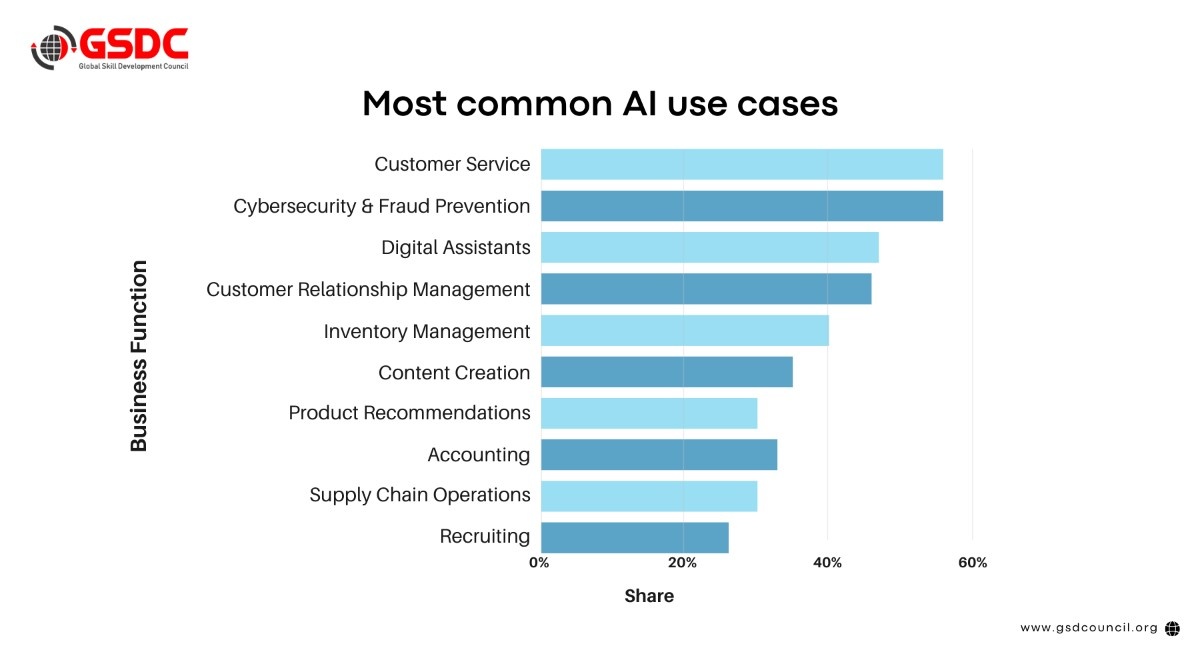
Not long ago, the answer was fairly predictable. Business analysts queried warehouses, executives looked at dashboards, finance teams downloaded reports, and operations teams monitored KPIs. Today, that list has expanded dramatically. AI copilots answer employee questions using enterprise knowledge. Recommendation engines personalise customer experiences in real time. Fraud detection systems evaluate transactions before they’re approved. Autonomous agents coordinate workflows across multiple applications without waiting for a human to intervene.
.png)
None of these consumers care where the data is stored, how many pipelines it passed through, or which cloud platform hosts it. They simply expect the right information to be available the moment they need it.
That may sound like a subtle shift, but it changes almost every conversation happening inside modern data teams. Suddenly, metadata isn’t just helping analysts discover datasets. Governance isn’t only about compliance. Real-time data isn’t reserved for specialised use cases. Even the way organisations package and manage data begins to evolve because the audience consuming it has fundamentally changed.
Think of a restaurant during dinner service. The ingredients in storage have very little value on their own. Every station in the kitchen receives the right ingredients at exactly the right time is what matters the most. If one station gets stale produce, another receives the wrong order, and a third never receives ingredients at all, the problem isn’t with the inventory. It’s with the way that inventory is being consumed across the kitchen.
Enterprise data has reached a similar point. Collecting information is no longer the difficult part. The challenge is making sure every consumer, whether it’s a person, an application, or an AI agent, receives the right data, with the right context, at the right moment.
That is the defining data consumption trend of 2026. Organisations aren’t simply generating more data. They’re designing data platforms for an entirely new generation of consumers.
[related-1]
How Does This Connect to the Broader Data Analytics Trends of 2026?
This consumption shift is one piece of the wider data analytics trends 2026 story. For the complete picture, including platform engineering, data contracts, and AI agents; explore full 2026 data trends roundup.
Why AI Agents Are Now Your Biggest Data Consumers
The conversations generally revolve around AI generating code, content creation, chat interfaces, or autonomous workflows. But the real work happens two steps before. That’s the level where AI sits quietly and consumes data. Every answer an AI assistant produces starts with the search for context. Be it recommendation engine providing suggestion for next product, fraud detection model analysis transactions or even an autonomous agent coordinating business processes, model leans on the context.
That changes the role enterprise data plays inside an organisation. For years, most data platforms were designed around human consumption. If a dashboard loaded a little slowly or an analyst had to ask a colleague which table contained the latest numbers, the business survived. People naturally compensate for missing context. Machines don’t.
An AI application cannot assume that Customer_Master_Final is the correct dataset simply because another engineer remembers creating it two years ago. It cannot infer that one revenue metric replaced another after a finance policy changed last quarter. It works entirely with the information available to it, which means the quality of its output depends directly on the quality and clarity of the data it consumes.
This is one of the reasons metadata has quietly become far more strategic than it used to be. For years, metadata primarily helped people understand data. Increasingly, it is helping machines understand businesses. Ownership, lineage, business definitions, relationships between datasets, and governance policies all provide the context AI applications rely on before they can safely use enterprise information.
Once you look at AI through that lens, many technology investments begin to make much more sense. Organisations aren’t improving metadata because documentation suddenly became fashionable. They’re doing it because enterprise data now has consumers that cannot ask follow-up questions when something doesn’t make sense.
The Context Gap: Why AI Needs Semantic Consistency, Not Just Storage
One of the biggest misconceptions about AI is that it simply needs access to more data. In reality, most large organisations already have more information than they can make use of. The challenge has rarely been availability. It has been interpretation.
Ask five different teams for the definition of an “active customer” and there’s a good chance you’ll receive more than one answer. Every definition may be perfectly reasonable within its own context, yet they all describe a different business reality.
People usually learn these differences through experience. New employees ask questions. Analysts speak to business teams. Engineers rely on tribal knowledge built over several years. AI has no such advantage. It only knows what the platform tells it.
[data-expert]
That is why semantic consistency has become such an important architectural priority. The objective isn’t simply to help people find datasets faster. It’s to ensure that every consumer of enterprise data reaches the same conclusion when looking at the same information. Without that shared understanding, organisations don’t just end up with conflicting dashboards. They risk AI systems confidently acting on completely different interpretations of the business.
This is also why conversations around semantic layers have accelerated over the past few years. Their real value isn’t that they simplify reporting. It’s that they create a common business language that every consumer can rely on, regardless of whether that consumer is a finance analyst, a customer application, or an AI agent making decisions in real time.
The organisations seeing the biggest benefits from AI aren’t necessarily the ones with the largest models. More often, they’re the ones that have invested in making their business context as consistent as their infrastructure.
Why Real-Time Streaming Is Replacing Batch Analytics
The speed at which data is consumed has also changed. Business users could comfortably work with information that was refreshed every morning because most business decisions naturally happened over hours or days. AI systems don’t operate on that rhythm. They respond the moment an event occurs.
This isn’t making batch processing obsolete. Many analytical workloads will continue to rely on it for years to come. What is changing is the number of systems that now expect live operational context as part of their normal behaviour. As AI becomes embedded inside everyday business applications, real-time access to trusted information is gradually shifting from a specialised capability to a baseline expectation.
As consumer needs change, that shift is pushing organisations towards streaming architectures, event-driven platforms, and continuously updated data pipelines. When machines begin making decisions continuously, the infrastructure serving them has to keep pace.
Why You Need an Operating System for Data and Data Products for Consumption
Imagine asking three different teams for the same business metric and receiving three different answers. Most people wouldn’t immediately act on the first number they saw. They would pause, compare the results, ask a few questions, and eventually figure out which version reflected reality. AI doesn’t naturally behave that way.
For example: If an autonomous agent retrieves outdated customer records, it doesn’t naturally stop to question whether something looks unusual. It continues operating exactly as they were designed to, except now every decision is based on information that may no longer be correct.
That changes the role governance plays inside an organisation. For years, governance was often viewed through the lens of compliance. It helped organisations understand who owned a dataset, who could access it, and whether regulatory requirements were being followed. Those responsibilities haven’t disappeared, but they’re no longer the only reason governance matters.
Governance becomes part of the operational workflow as soon as the enterprise data becomes the foundation for automated decisions. Metadata provides context. Lineage explains where information came from. Data quality validates whether it should be trusted. Data contracts ensure producers and consumers continue speaking the same language even as systems evolve independently. Individually, each discipline solves a different problem. Together, they create confidence that the information being consumed is reliable before a person or an AI system acts on it.
Why You Need Data Products and an Operating System for Data
As enterprise data began serving more teams, the industry naturally moved towards data products. Pausing on publishing raw tables and expecting every consumer to interpret them differently became the next logical step. Organisations started packaging data together with business definitions, ownership, documentation, quality expectations, and access policies with the objective that every consumer should begin with the same understanding rather than rebuilding context from scratch.
That approach worked like a double-edged sword. While it solved an important problem, it also exposed the other one.
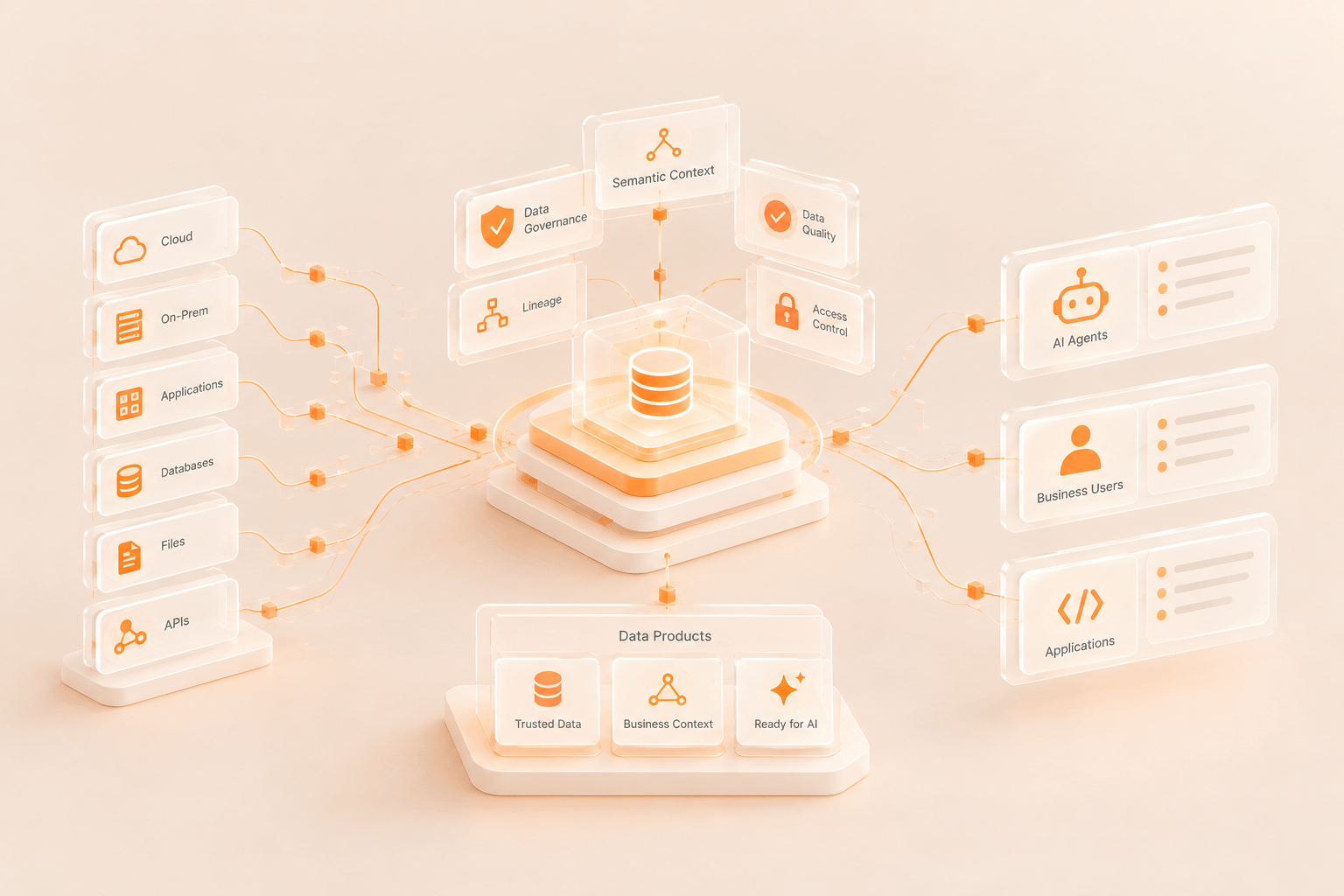
Large enterprises build hundreds, sometimes thousands of data products, spread across multiple domains, cloud platforms, storage technologies, and business functions. Each product may be well designed in isolation, yet someone still has to ensure governance remains consistent across domains, metadata stays synchronised, security policies are applied uniformly, and AI applications can discover trusted information regardless of where it physically resides.
This is one of the reasons conversations are gradually shifting towards the idea of an Operating System for Data.
If data products define how individual datasets should be packaged and owned, a Data Operating System focuses on how those products operate together as a single ecosystem. Rather than replacing existing technologies, it sits on top of them, providing a consistent layer for governance, metadata, policy enforcement, semantic consistency, and data activation. From the perspective of someone consuming enterprise data, whether that consumer is a person or an AI application, the underlying complexity becomes largely invisible.
That feels like a natural evolution. Organisations spent years solving how to create reliable data assets. They’re now beginning to solve how those assets should work together at enterprise scale.
Building Data Platforms for Dual Consumers
AI dominates almost every technology conversation today, so it’s easy to assume AI itself is the defining trend shaping enterprise data. Looking a little closer, though, AI is really exposing a much bigger architectural shift that was already underway.
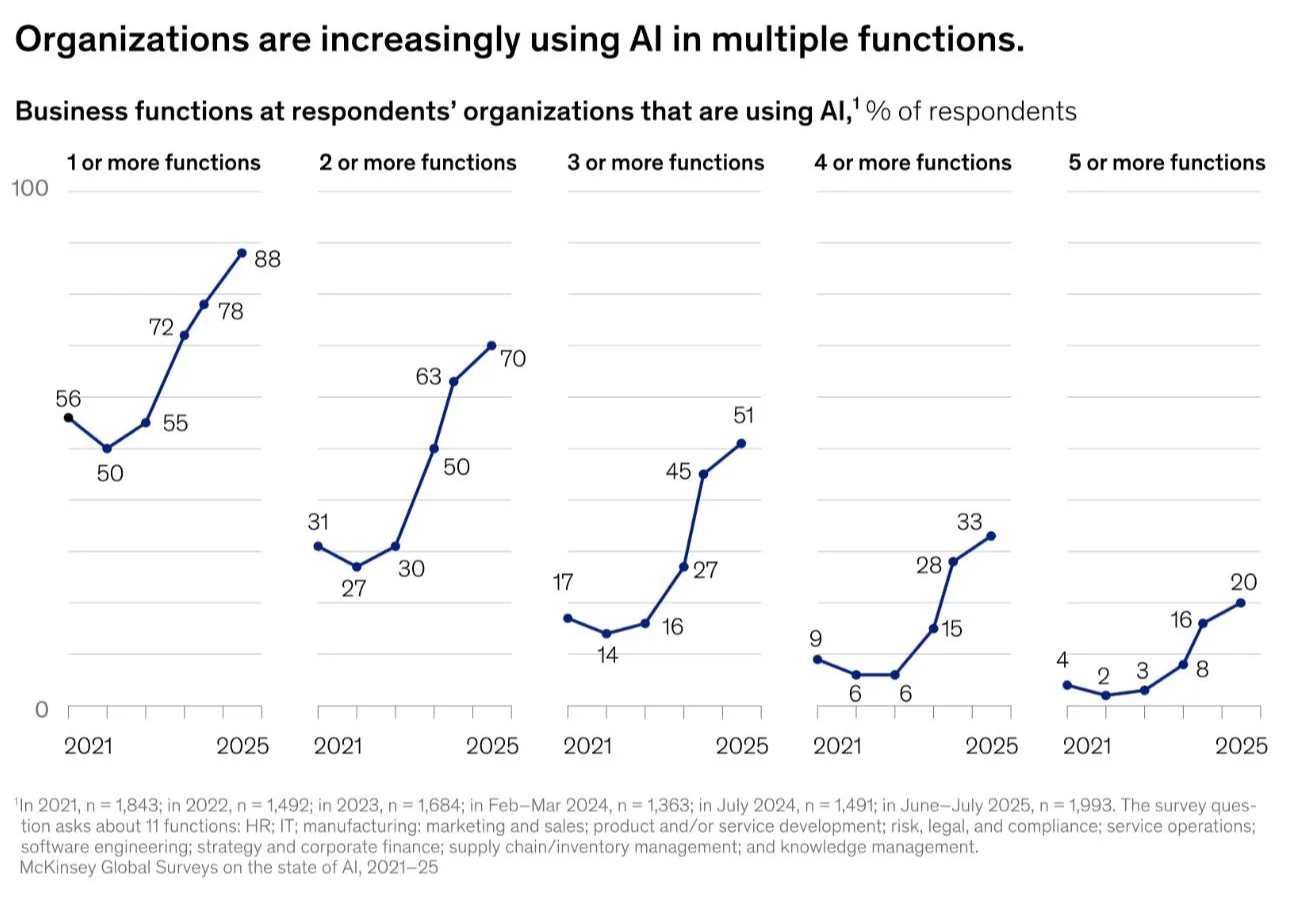
Enterprise data no longer serves a single audience. With older audiences such as analysts, dashboards, and executives, new audiences like AI assistants, recommendation engines, customer applications, autonomous agents, and operational systems have joined the forces as well. Every one of those consumers expects the same thing: trusted information, delivered with enough context to use immediately.
Once this quiet shift is understood, many of the industry’s biggest investments begin to fit together as massive jigsaw puzzle pieces. These aren’t isolated trends competing for attention. They’re different responses to the same reality. Enterprise data has a new audience, and modern data platforms are evolving to support it.
The Potential Data Consumption Trend for 2027
For years, enterprise data strategies were shaped by a predictable set of questions. Questions such as; How much data are we generating? Where should we store it? How quickly can we process it? mattered most, but they’re no longer the only ones defining what successful data platforms should look like. The more interesting question in 2026 is who consumes that information once it has been created.
The answer now stretches far beyond simply analysts reading dashboards or executives reviewing reports. Enterprise data has started increasingly powering AI assistants helping employees, recommendation engines personalising customer experiences, applications coordinating business processes, and autonomous agents making decisions in real time. Every one of these systems depends on data that is available, understandable, trustworthy, and rich in business context.
Perhaps that’s the biggest data consumption trend of all. Organisations are no longer preparing data simply to answer business questions. They’re preparing it for an ecosystem where people and machines consume the same information, often at the same time, and expect exactly the same level of confidence.
Frequently Asked Questions
What are the latest data consumption trends in 2026?
The biggest data consumption trends in 2026 are being driven by a change in who consumes enterprise data. Alongside analysts and business users, AI assistants, recommendation engines, autonomous agents, and customer-facing applications have become major consumers of business information. This shift is accelerating investments in metadata, semantic layers, real-time data platforms, governance, Data Products, and Data Operating Systems that help every consumer access trusted data consistently.
Why is AI changing the way enterprises consume data?
AI depends entirely on enterprise data to generate useful outcomes. Whether it’s answering employee questions, detecting fraud, recommending products, or automating workflows, AI systems continuously consume operational data before making decisions. As a result, organisations are placing greater emphasis on business context, metadata, lineage, and data quality so AI applications can consume information confidently without relying on manual interpretation.
Why are Data Products and Data Operating Systems becoming important?
Data Products help organisations package data together with ownership, business definitions, documentation, and quality expectations so every consumer starts with the same understanding. As the number of data products grows, organisations also need a consistent way to manage them across different domains and technologies. A Data Operating System provides that enterprise-wide operational layer by enforcing governance, metadata, security, and data contracts, making trusted data easier to discover and consume across the organisation.
Connect with a community data expert
A no-cost session with a practitioner who's been where you are.
About Modern Data 101
Modern Data 101 is a movement redefining how the world thinks about data. A community built by the same team behind the world’s first data operating system, Modern Data 101 sits at the intersection of data, product thinking, and AI. Spread across 150+ countries, the community brings together a global network of practitioners, architects, and leaders who are actively building the next generation of data systems.
At its core, Modern Data 101 exists to simplify the journey from raw data to tangible and observable impact. It advocates high-potential data systems and next-gen architectures to unify and activate insights and automation across analytics, applications, and operational workflows at the edge.
In a world shifting from data stacks to AI ecosystems, Modern Data 101 helps teams not just navigate the change but lead it.


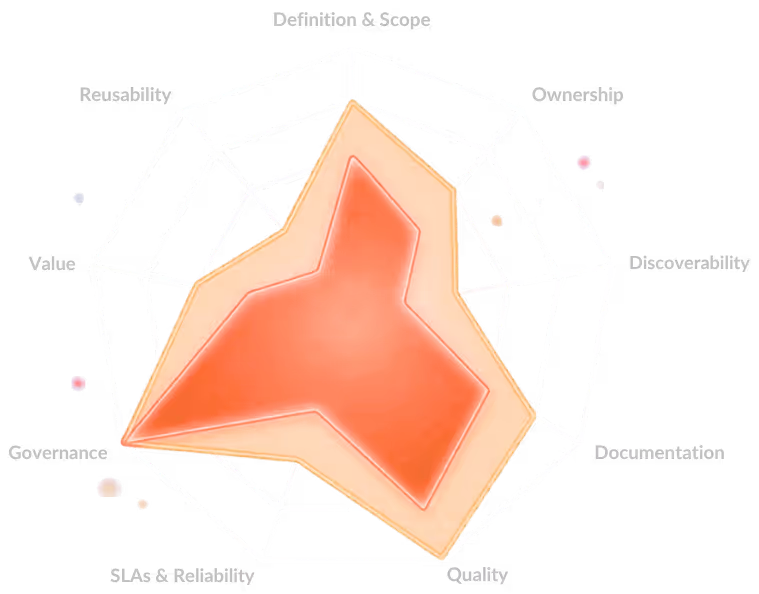
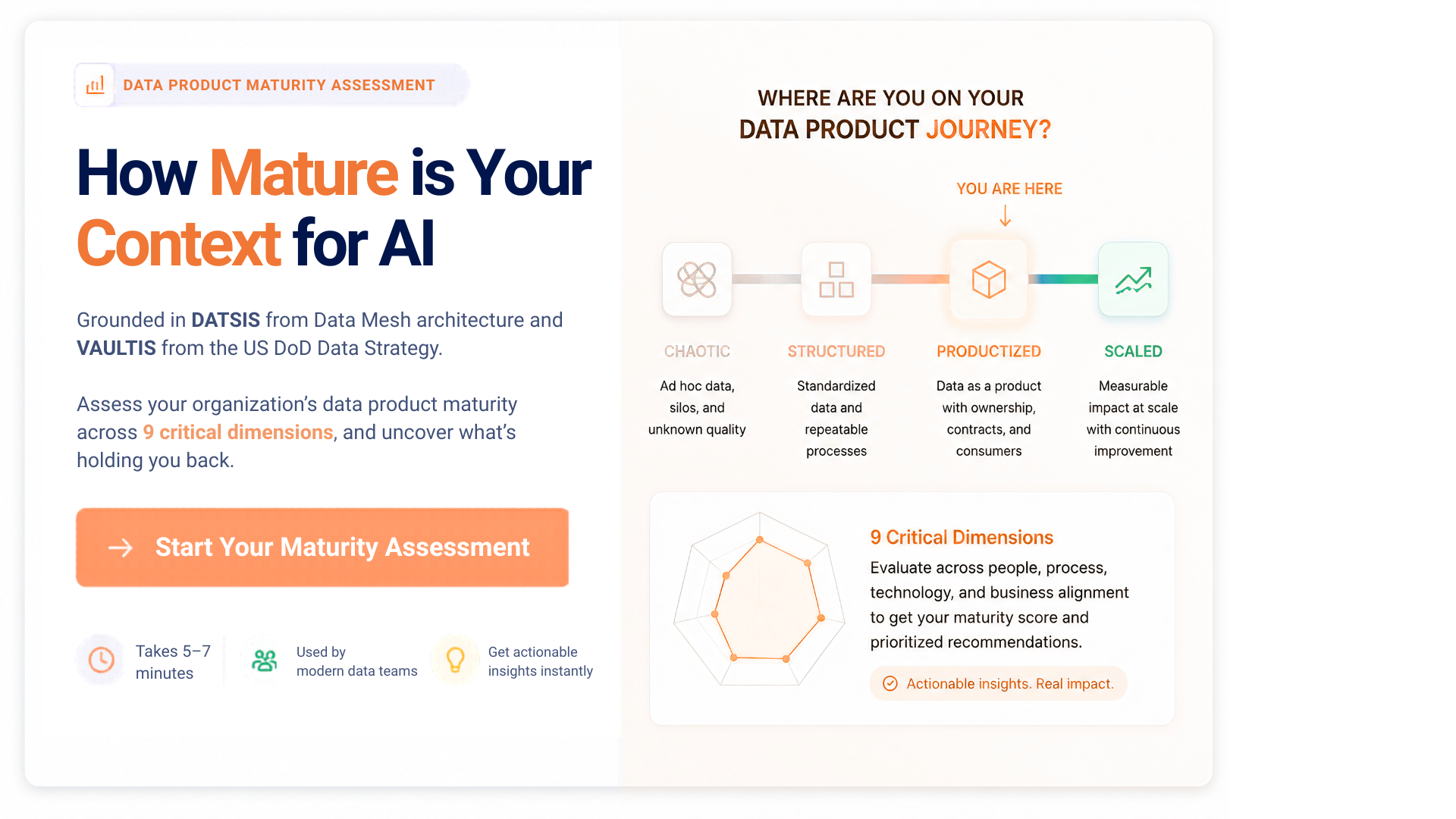
Where does your org stand on data product maturity?
A 9-dimension self-assessment used by 100+ data teams to benchmark strategy, ownership, and platform readiness.


Swami Achari
Swami Achari is a Lead Tech Correspondent and Content Strategist who loves translating complex Data, Engineering, and AI concepts into compelling, high-impact stories. Grounded in a strong background in mainstream journalism, he seamlessly bridges traditional investigative reporting with cutting-edge technology communication. Currently exploring editorial strategy and content marketing for data-focused platforms, he works closely with industry thought leaders to build engaged tech communities and foster strategic growth through scannable, audience-first storytelling.
Read the ideas here. Build them with The Modern Data Company.
Modern Data 101 is where the data community thinks out loud. When you're ready to move from articles to architecture, data products, governed AI pipelines, or a full Data Operating System; the team behind this community can help you build it.
Continue reading


.jpg)
