
Want Better ROI? Top 5 Data Architecture Trends in 2026 (And How to Profit)
Eliminating excessive Cloud Budget with top Data Architecture Trends that the industry came across in 2026

TL;DR
- What Is Data Architecture in 2026? Data architecture is the strategic blueprint defining how enterprise data is structured, governed, and ingested. In 2026, it serves as a direct financial engine driving corporate profit margins.
- The Data Lakehouse as the Core: Combining low-cost storage with data warehouse query speed using open formats like Apache Iceberg and Delta Lake eliminates double storage costs and metric discrepancies.
- Governed Integration Over Mass Migration: Rather than multi-million-dollar cloud consolidation projects, machine-learning metadata layers continuously scan multi-cloud silos to construct automated semantic maps.
- Treating Data as a Product: Decentralising data ownership to specific business domains (e.g., Marketing, Sales) removes IT bottlenecks and ensures inherent data quality control.
- Streaming by Default: Edge compute and continuous ingestion frameworks make real-time processing the baseline, replacing stale nightly batch pipelines.
The Hidden Margin Drain: Why Enterprise Data Architecture Matters in 2026
Do you know what’s draining your corporate margins right now? It isn’t your marketing budget. It’s the cost of maintaining slow, disconnected, and dirty data architectures that make your AI investments completely useless.
In 2026, data architecture is the core financial engine driving business profitability. If you want your organisation to move faster, reduce operational overhead, and deploy AI safely, you must adapt to these shifting data paradigms.
What Is Data Architecture? (And How It Differs From a Data Platform)
Data architecture is the strategic blueprint defining how an enterprise collects, integrates, stores, governs, and delivers data across its systems. It sets the rules for security, schema standards, and data flows to ensure information remains accessible and reliable.
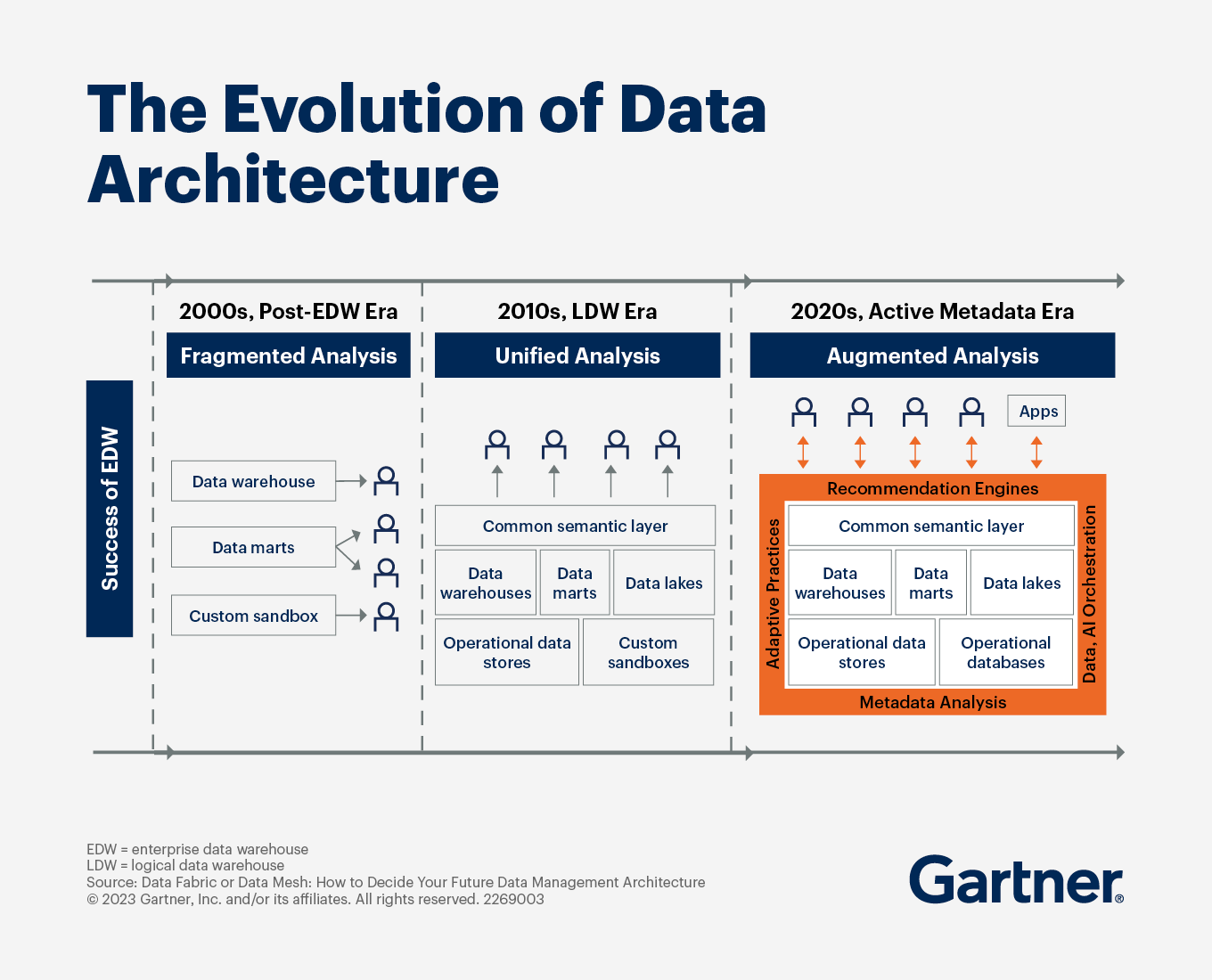
To build an effective stack, it helps to understand how architecture differs from a data platform:
- Data Architecture (The Blueprint): The structural strategy, governance policies, and data models. It determines how data should be organised, owned, and routed across the enterprise.
- Data Platform (The Execution Engine): The underlying technology stack, such as warehouses, pipelines, storage buckets, and orchestration tools that implement the architecture.
If you are evaluating how to execute your master plan, understanding what is a data platform ensures you select the right engines to bring your enterprise architecture to life.
[related-1]
Where Do Architecture Trends Fit Into the Bigger Data Analytics Trends Picture?
Data architecture is the infrastructure layer beneath the wider data analytics trends 2026 organisations are tracking, alongside shifts in governance, AI agents, and semantic layers happening across the stack.
The Top 5 Data Architecture Trends Driving 2026 Profitability
Here are the top five data architecture trends dominating the enterprise space this year, exactly how businesses profit from them, and how to execute them without breaking your current workflows.
1. The Lakehouse Core: Stop Paying Double for Your Cloud Storage
For years, businesses operated under a fragmented infrastructure. They siloed highly structured operational data into a data warehouse for traditional business intelligence (BI), while dumping raw, unstructured files into a data lake for data scientists.
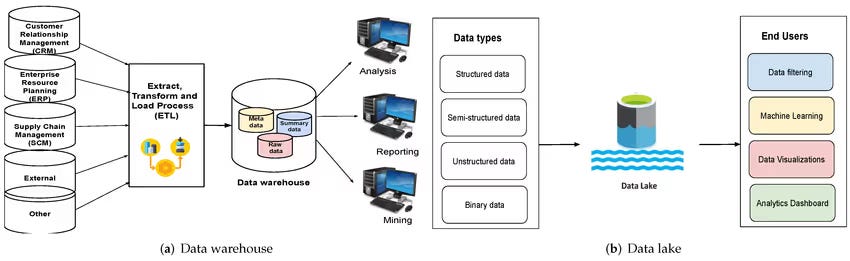
In 2026, the Data Lakehouse, powered by highly optimised open table formats like Apache Iceberg and Delta Lake, serves as the default enterprise standard. It delivers the ultra-low storage costs of a data lake combined with the rapid query performance, ACID compliance, and strict governance of a premium data warehouse.
How Businesses Profit:
- Drastic Infrastructure Savings: By consolidating your warehouse and lake into a single storage tier, you immediately eliminate redundant data storage fees and data transfer costs.
- Unified Analytical Alignment: Your financial analysts and your predictive AI tools draw from the exact same asset, completely eliminating conflicting operational metrics across departments.
2. Governed Data Integration and Management Platform for Silos
Most mid-market and enterprise companies don’t have a clean, singular cloud environment. Instead, their critical data assets are scattered across different dashboards, stacks, storage architecture, and legacy on-premises servers.
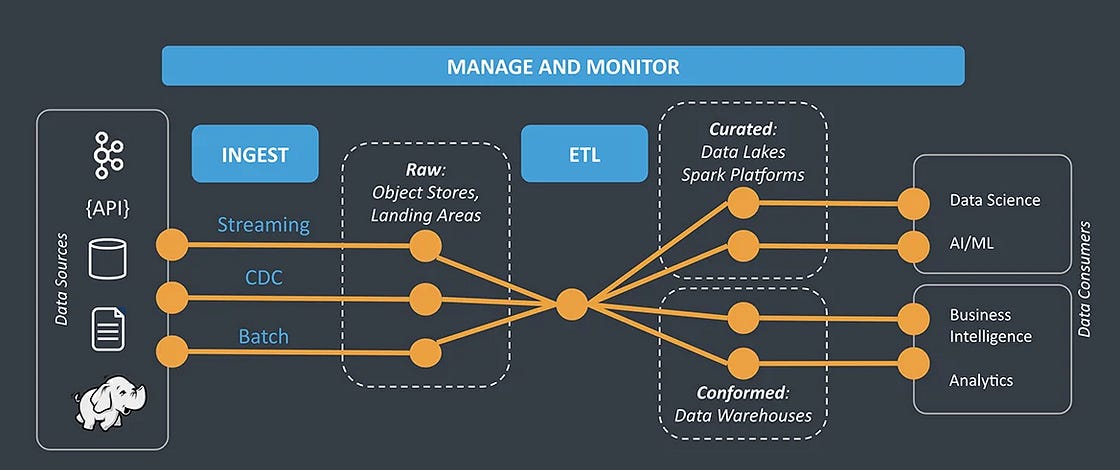
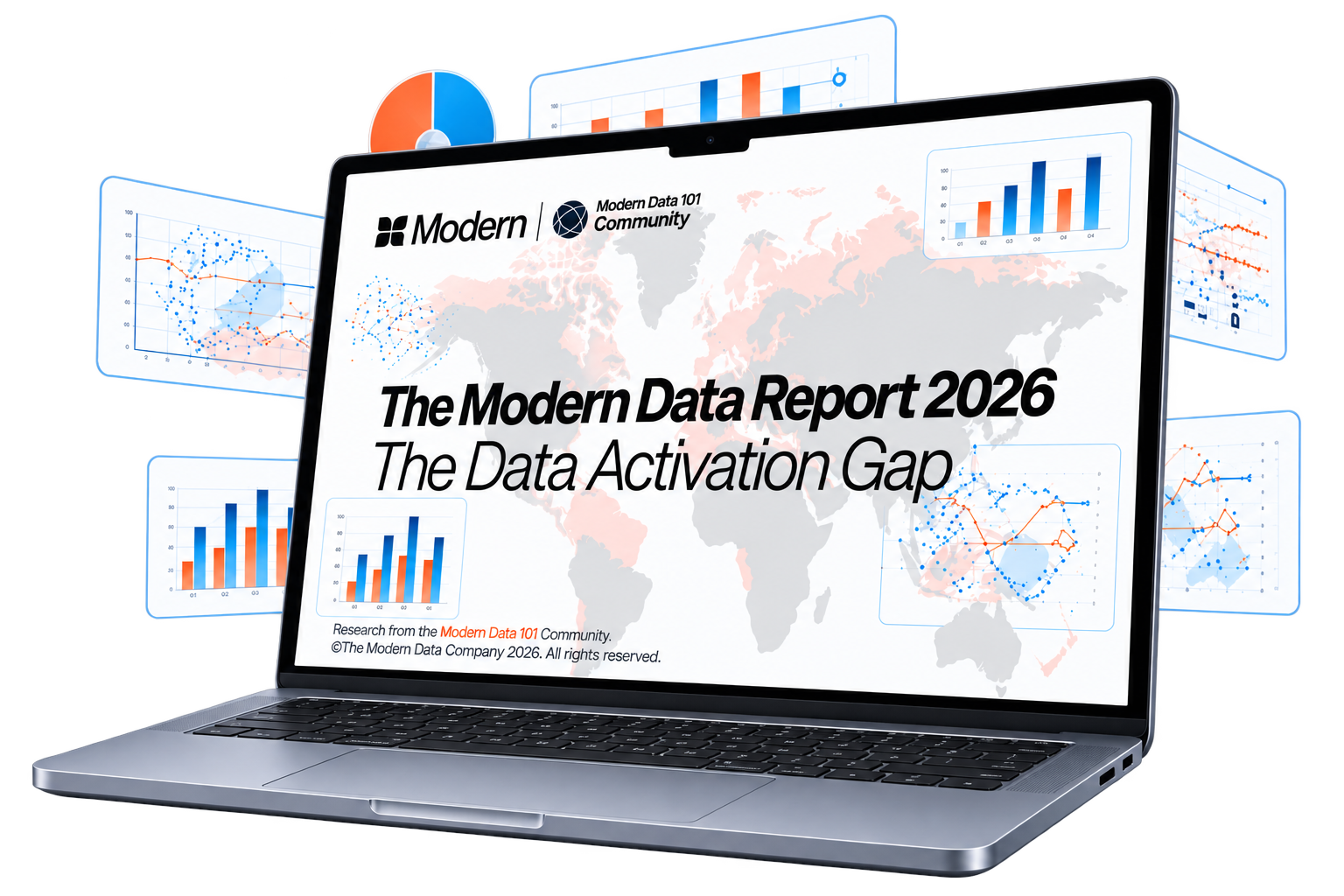
Rather than executing a multi-million-dollar migration project to centralise everything, leading organisations deploy automated, governed data integration layers. Data from the Modern Data Report 2026 reveals that nearly half of enterprise teams cannot fully rely on their data for operational decisions. Deploying automated semantic mapping and metadata monitoring directly addresses this trust gap, preventing bad data from ever hitting an executive dashboard or AI engine.
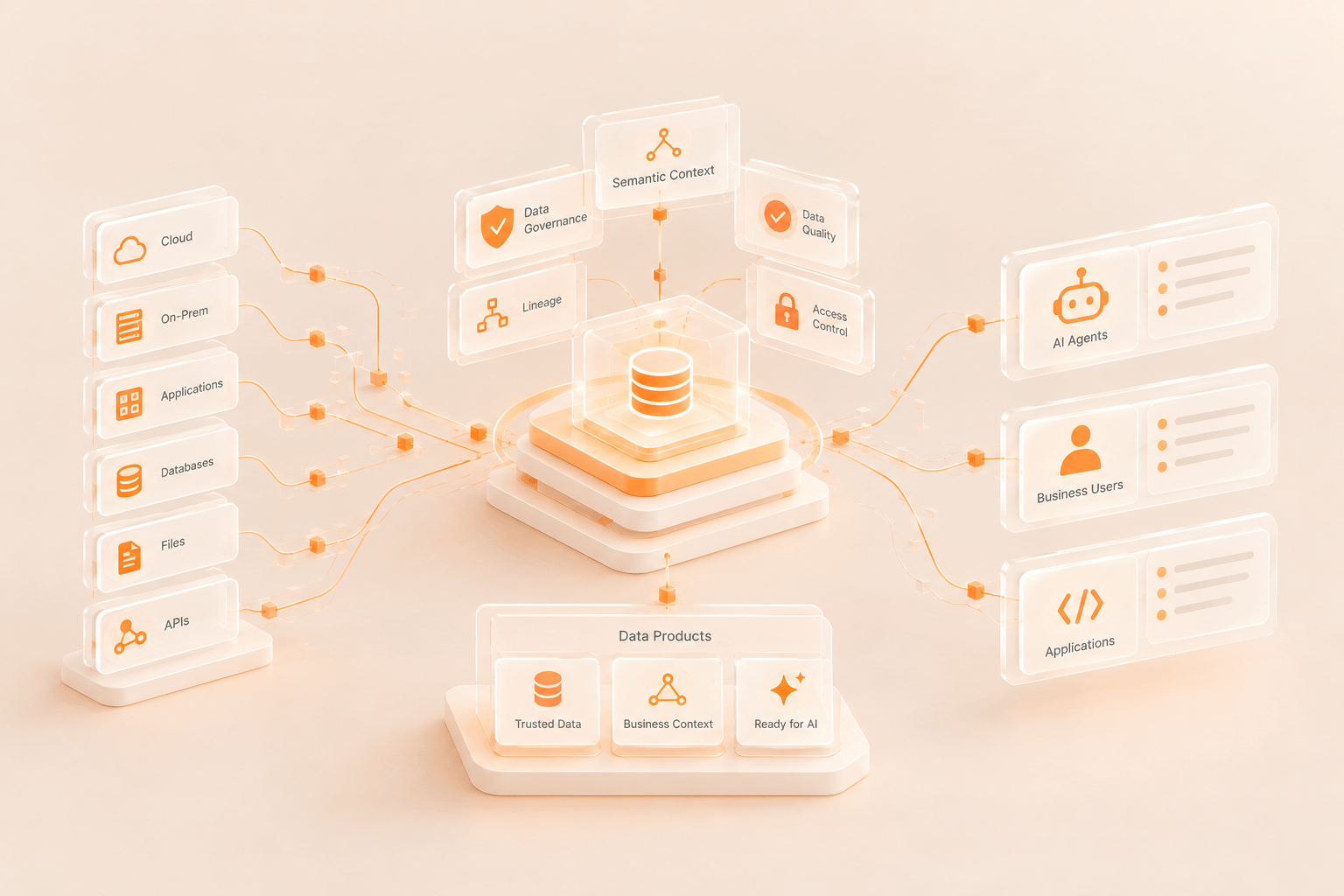
[related-2]
What this Means for your Business:
- Automated Data Engineering: Data product platforms eliminate the manual labour required to build and maintain brittle ETL (Extract, Transform, Load) pipelines, allowing your data engineering teams to focus on revenue-generating data products.
- Proactive Data Health Checks: The system catches broken pipelines, anomalous metrics, and data drift automatically before skewed metrics ever hit an executive dashboard.
3. Data Maturity: Treating Data as a Product
The days of relying on a slow, centralised IT queue to build a simple business dashboard are over. When a business unit has to wait weeks for data access, market opportunities slip away.
Data products decentralise data ownership by shifting accountability to the specific business units (”domains”) that generate and understand the information. Marketing owns and manages marketing data products, while sales operates its own data assets. These teams expose their data through a clean, secure internal marketplace, allowing other departments to safely tap into them.
How Businesses Profit:
- Rapid Time-to-Insight: Business teams no longer face IT bottlenecks. Marketing can launch real-time optimisation campaigns based on live sales metrics within minutes, not weeks.
- Inherent Quality Control: Because the creators of the data are legally responsible for its maintenance, data accuracy spikes across the entire enterprise.
4. Real-Time Streaming by Default: Move on From Batch Processing
Running batch jobs once a night or over the weekend is no longer competitive. If your business depends on day-old analytics to make decisions, you are actively losing ground to agile competitors.
In 2026, affordable edge computing and mature streaming frameworks have shifted the baseline to continuous ingestion. Data is processed, analysed, and leveraged the exact second it is created.
5. Data Observability Going Mainstream for Data Architectures
Through 2026, two-thirds of enterprises will invest in initiatives to improve trust in data through automated data observability tools addressing detection, resolution, and prevention of reliability issues. Gartner forecasts that by 2026, 50% of organizations with distributed architectures will adopt advanced observability platforms, up from just 20% in 2024.
2026 is the year AI agents move from demonstrations to becoming active participants, enabling agents to act on real-time information from inventory updates and returns to customer preferences.
Architectural Shift: Legacy Data Architecture vs. 2026 Enterprise Standards
Legacy data architecture was built to survive complexity: separate warehouses and lakes, manual migrations, centralised IT queues, and nightly batch jobs. 2026 standards are built to eliminate it. The Lakehouse collapses redundant storage into one governed layer. Automated integration replaces multi-million-dollar migrations with continuous semantic mapping. Data products push ownership to the domains that actually understand the data. Streaming replaces the overnight lag with real-time truth.
None of these is isolated upgrades. Together, they turn data architecture from a cost centre into the infrastructure your AI investments and your margins now depend on. The enterprises still running legacy architecture in 2026 are paying for infrastructure that actively works against the outcomes they’re trying to buy.
FAQs
Q1: What is the biggest hidden cost draining enterprise margins in 2026?
Slow, disconnected, and poorly governed data architectures are one of the highest hidden costs in enterprise operations. They make AI investments ineffective, increase cloud storage overhead, and create analytical misalignment across departments, all of which directly erode profitability.
Q2: What is a Data Lakehouse, and why is it replacing separate warehouses and lakes?
A Data Lakehouse combines the low-cost storage of a data lake with the query performance, ACID compliance, and governance of a data warehouse, in a single unified layer. Built on open table formats like Apache Iceberg and Delta Lake, it eliminates redundant infrastructure costs and ensures every team works from the same data asset.
Q3: How do data products help enterprises manage multi-cloud and hybrid environments?
Rather than executing expensive migrations, a governed data integration layer uses machine learning to scan your full data ecosystem, map metadata relationships, and create a unified semantic view. This automates ETL maintenance and enables proactive data health monitoring, reducing engineering toil and preventing bad data from reaching decision-makers.
Q4: What is Data Mesh, and how does it speed up time-to-insight?
Data Mesh decentralises data ownership by assigning accountability to the business domain that generates the data. Each domain manages and exposes its own data products through a secure internal marketplace. This removes dependency on centralised IT queues, enabling teams like marketing and sales to access live, cross-functional metrics in minutes rather than weeks.
Q: Why is real-time streaming becoming the default over batch processing in 2026?
A: Advances in edge computing and mature streaming frameworks have made continuous data ingestion both affordable and practical at scale. Businesses relying on nightly batch jobs operate on stale analytics, putting them at a competitive disadvantage against organisations that process and act on data the moment it is generated.
Connect with a community data expert
A no-cost session with a practitioner who's been where you are.
About Modern Data 101
Modern Data 101 is a movement redefining how the world thinks about data. A community built by the same team behind the world’s first data operating system, Modern Data 101 sits at the intersection of data, product thinking, and AI. Spread across 150+ countries, the community brings together a global network of practitioners, architects, and leaders who are actively building the next generation of data systems.
At its core, Modern Data 101 exists to simplify the journey from raw data to tangible and observable impact. It advocates high-potential data systems and next-gen architectures to unify and activate insights and automation across analytics, applications, and operational workflows at the edge.
In a world shifting from data stacks to AI ecosystems, Modern Data 101 helps teams not just navigate the change but lead it.


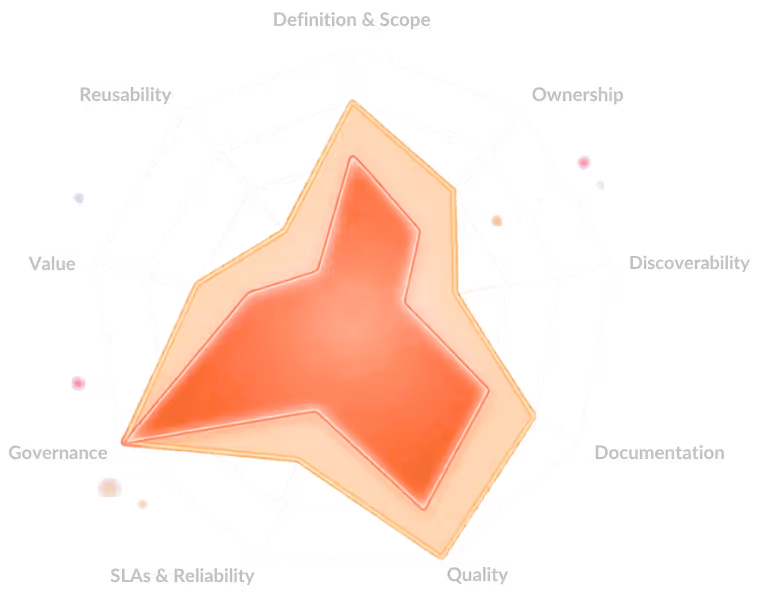
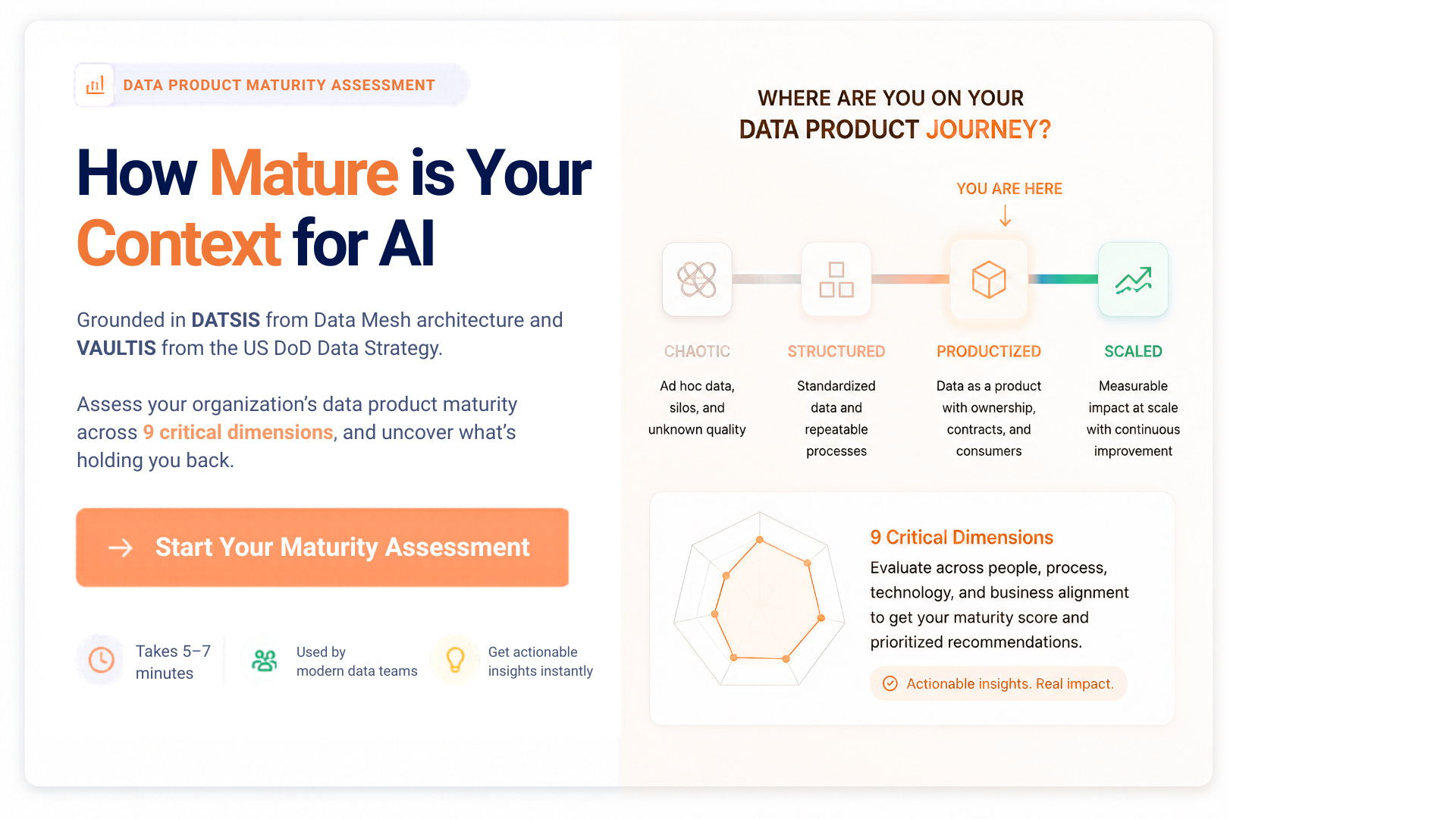
Where does your org stand on data product maturity?
A 9-dimension self-assessment used by 100+ data teams to benchmark strategy, ownership, and platform readiness.


Ritwika Chowdhury
Ritwika Chowdhury is a data and technology professional focused on data products, AI, and modern data architecture. Her work sits at the intersection of data strategy, product thinking, and emerging AI technologies, with a focus on helping organisations turn enterprise data into trusted, usable, and scalable assets.
Read the ideas here. Build them with The Modern Data Company.
Modern Data 101 is where the data community thinks out loud. When you're ready to move from articles to architecture, data products, governed AI pipelines, or a full Data Operating System; the team behind this community can help you build it.
Continue reading

.jpg)
