Top 40 AIOps Platforms & Tools: Building an AI-Ready Enterprise Stack
Only 7% of enterprise AI scales successfully. Discover the top 40 platforms bridging the gap between legacy IT operations and AI-ready data foundations.

What is AIOps?
AIOps is the use of machine learning and big data analytics to automate IT operations, ingesting logs, metrics, and traces to detect anomalies, correlate alerts into incidents, find root causes, and increasingly, execute remediation with little or no human intervention. Coined around 2016, by 2026 it’s expanded from simple anomaly detection into agentic, autonomous operations.
[report-2025]
Why Does AIOps Matter Today? The AI Readiness Gap
Because manual monitoring can’t keep pace with modern complexity, distributed microservices, multi-cloud environments, and now AI/agent pipelines generate more signal than humans can triage. AIOps cuts alert noise, shortens MTTR, and protects uptime while also addressing a bigger, related problem enterprises are hitting in 2026: only ~7% of companies have fully scaled AI, largely because their underlying data isn’t AI-ready. That’s why “AIOps” today spans both classic IT-ops tooling and the data-readiness/activation layer (governance, semantic context, MLOps) needed to run AI reliably at scale.
[related-1]
Why “best AIOps tools” is really a question about AI readiness
When people search for “best AIOps platforms” or “AIOps tools 2026,” they are rarely asking about a single product category anymore. The intent around this term has split into two overlapping needs: IT teams looking for AI-driven incident correlation and root-cause tooling, and data/AI leaders looking for the broader stack that gets an enterprise ready to run AI at scale; data activation, governance, MLOps/LLMOps, and observability for models and agents, not just servers. Both audiences land on “AIOps” because the term has stretched to cover both.
[related-2]
That stretch is not accidental. McKinsey’s most recent global AI survey finds that while 88% of organisations report regular AI use, most companies are still stuck in experimentation or piloting rather than enterprise-wide scale. McKinsey traces a large share of that stall to a single bottleneck: only about 7% of companies have fully scaled AI, largely because their data isn’t actually ready for AI to use. Deloitte’s 2026 State of AI in the Enterprise tells a similar story from the operating-model side: adoption is accelerating fast, but data infrastructure, governance, and talent readiness are lagging well behind it.
This is why a genuinely useful “AIOps tools” list in 2026 has to cover more ground than alert correlation software. This list includes the platforms that get enterprise data into an AI-ready state in the first place.
Below is a researched, 40-tool list categorised into six domains that enterprises are focusing on for scaling their AI operations: IT operations and observability, data activation and readiness, MLOps/LLMOps at scale, data orchestration and integration, data governance and cataloging, and AI/model observability and governance.
[playbook]
AIOps and IT Observability Platforms (the classic definition)
These are the tools that popularised the term. AIOps was first defined by Gartner in 2016 as the combination of artificial intelligence, machine learning, and big data analytics used to automate and enhance IT operations management. The platforms below apply that definition to modern, high-volume, distributed environments.
1. Dynatrace
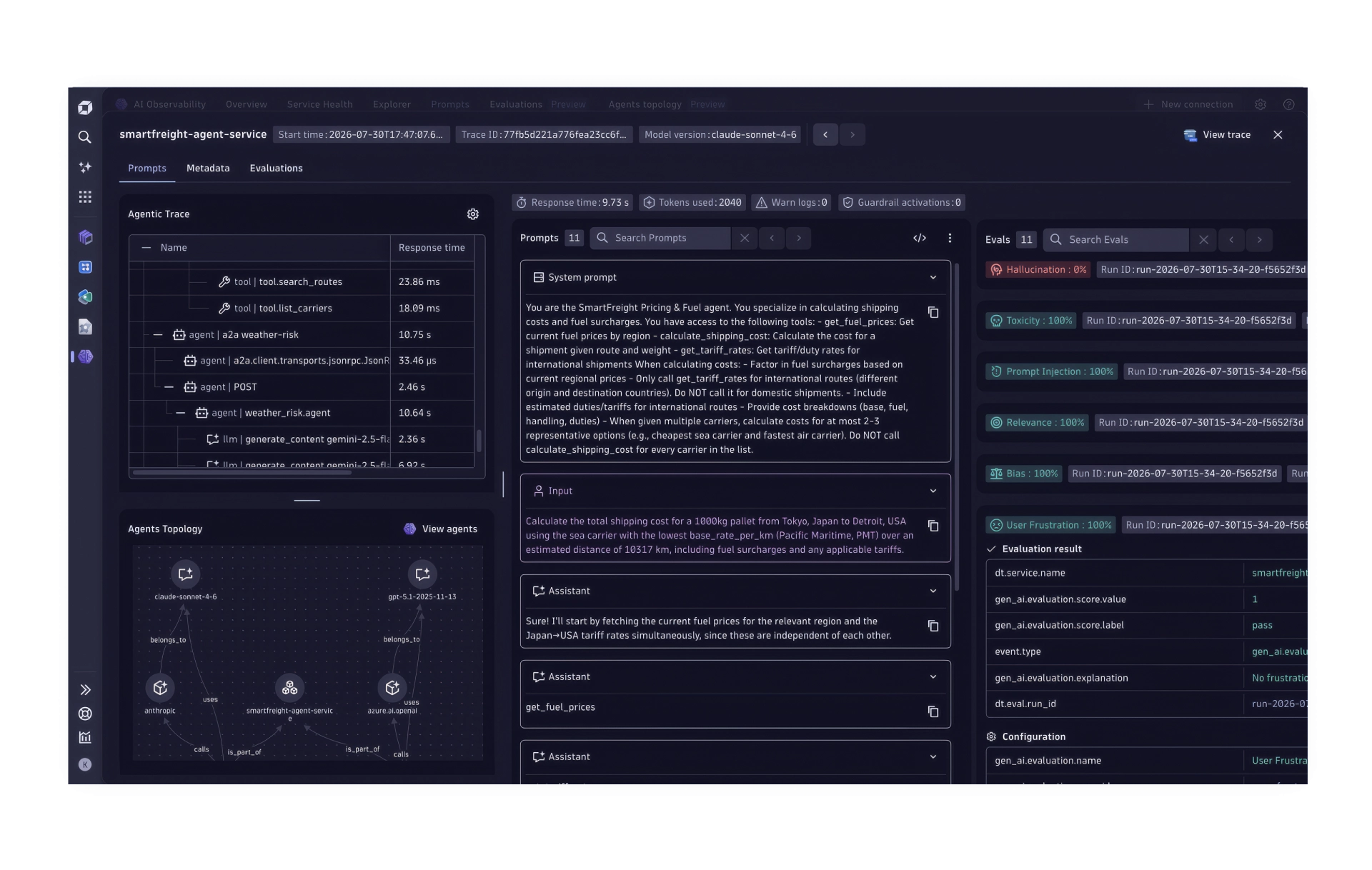
Dynatrace pairs full-stack observability with a causal AI engine (Davis AI) that correlates metrics, logs, and traces automatically rather than relying on statistical anomaly detection alone. It’s one of the first platforms to move root-cause analysis from “probable cause” to a deterministic, explainable answer, which matters enormously once IT and AI infrastructure share the same production environment. Visit Dynatrace →
2. DataOS
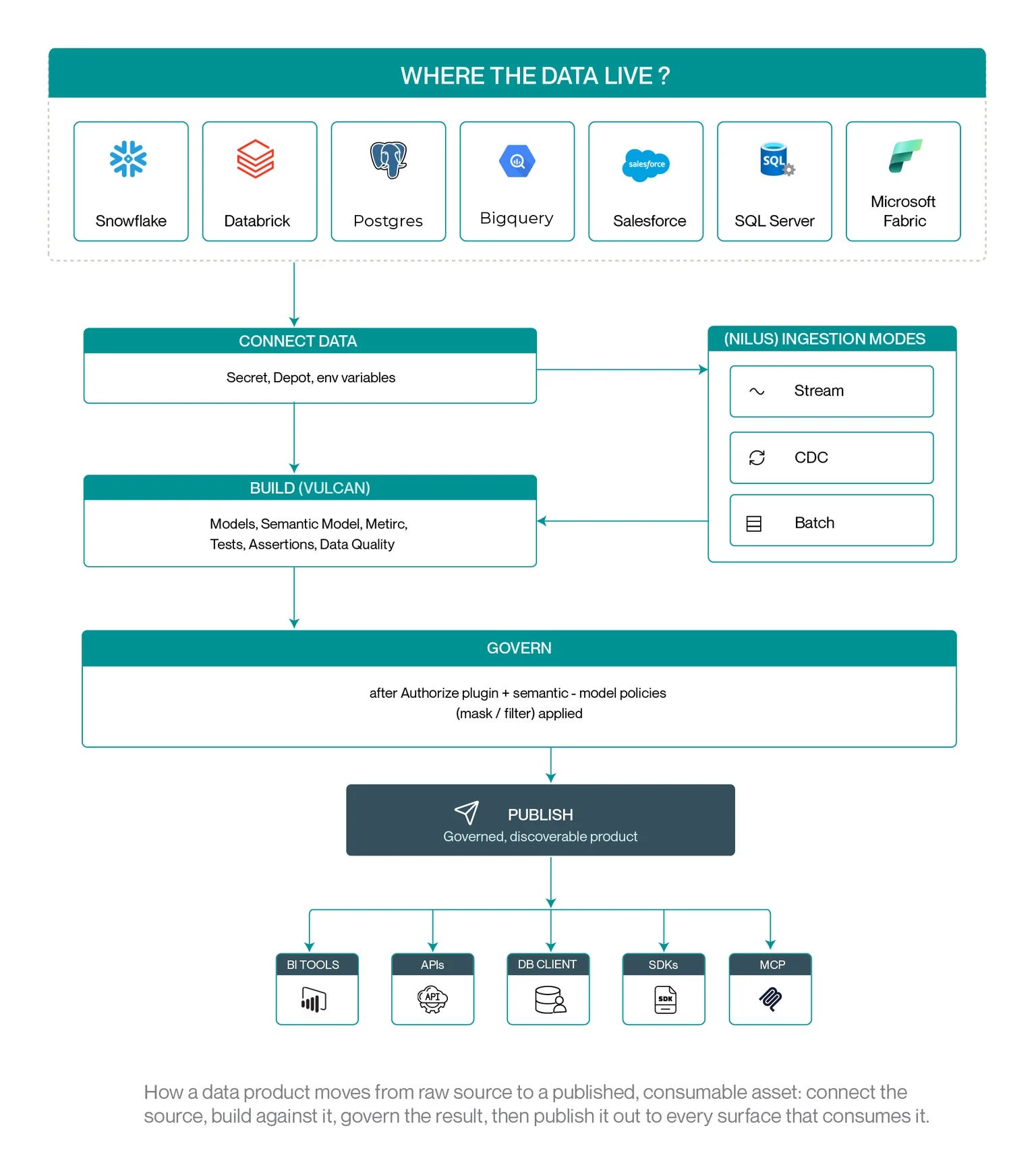
DataOS, by The Modern Data Company, is the data-products operating system that sits underneath AI initiatives rather than on top of IT infrastructure. Where traditional AIOps tools correlate infrastructure signals, DataOS focuses on the layer AI actually consumes: it treats data products as governed, reusable, ready-to-use assets that carry context, quality, lineage, and APIs so they can directly power analytics, applications, and agentic workflows out of the box.
The Modern Data Company positions DataOS as the enterprise operating system that accelerates data readiness, cutting the time enterprises need to activate data for AI/GenAI initiatives from months to weeks. Teams evaluating it typically start with the DataOS overview or the data products page before booking a working session. Visit DataOS →
3. Datadog
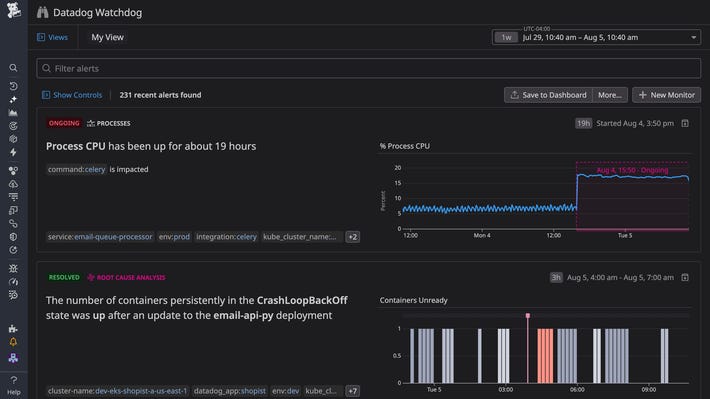
Datadog’s Watchdog AI layer sits on top of its unified metrics, logs, traces, and security telemetry, automatically surfacing anomalies without manual threshold-setting. It’s widely shortlisted because most enterprises already run Datadog for monitoring, so its AIOps features arrive as an upgrade rather than a new tool to onboard. Visit Datadog →
4. Splunk (IT Service Intelligence)
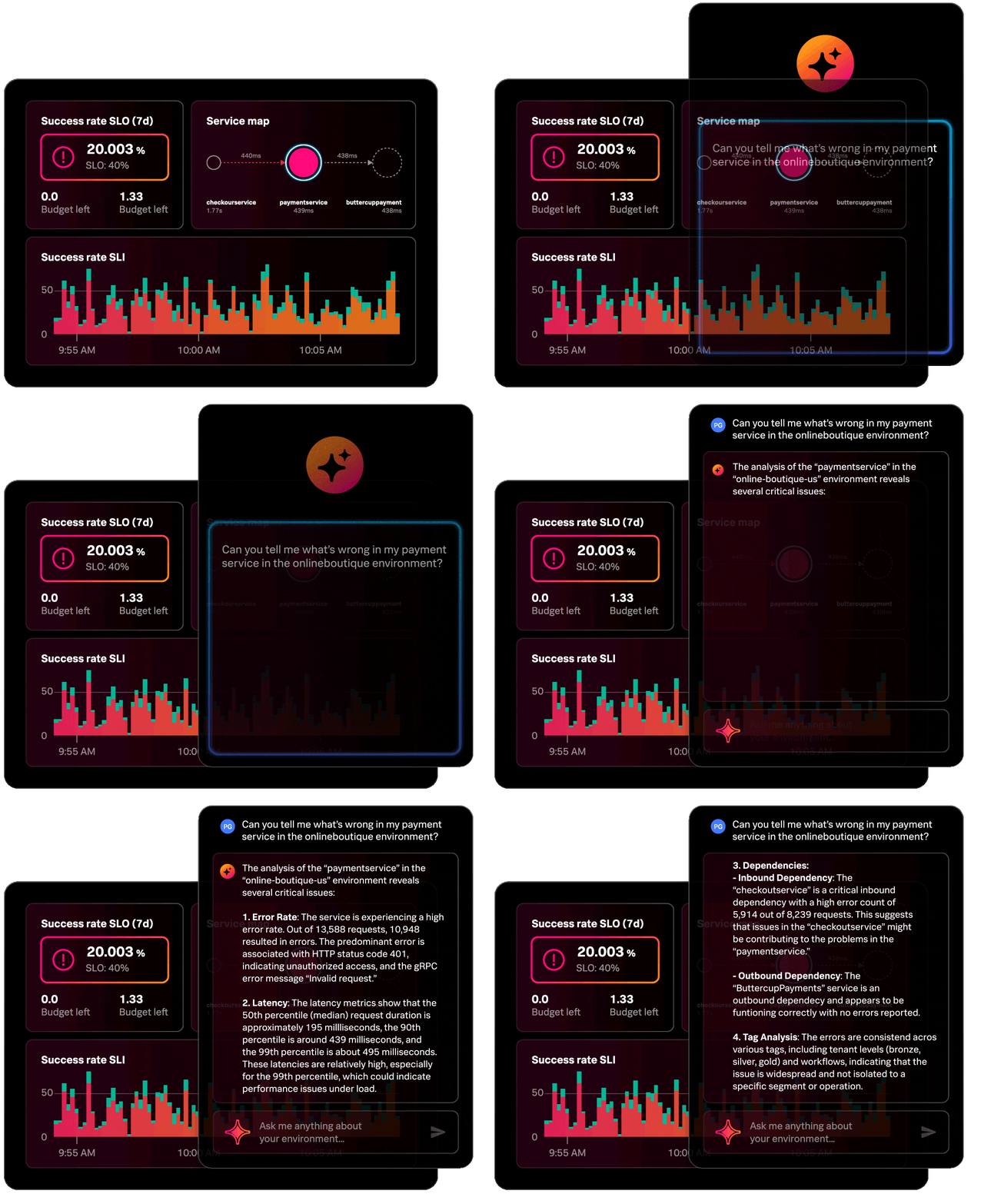
Splunk applies AI-driven event correlation across massive log volumes to cut alert noise and speed root-cause analysis, and its ITSI module is often the default choice for security-adjacent AIOps use cases because of Splunk’s SIEM heritage. It stays relevant in 2026 because organisations that already centralise logs in Splunk for compliance reasons can extend the same data into operational intelligence without duplicating pipelines.
5. BigPanda
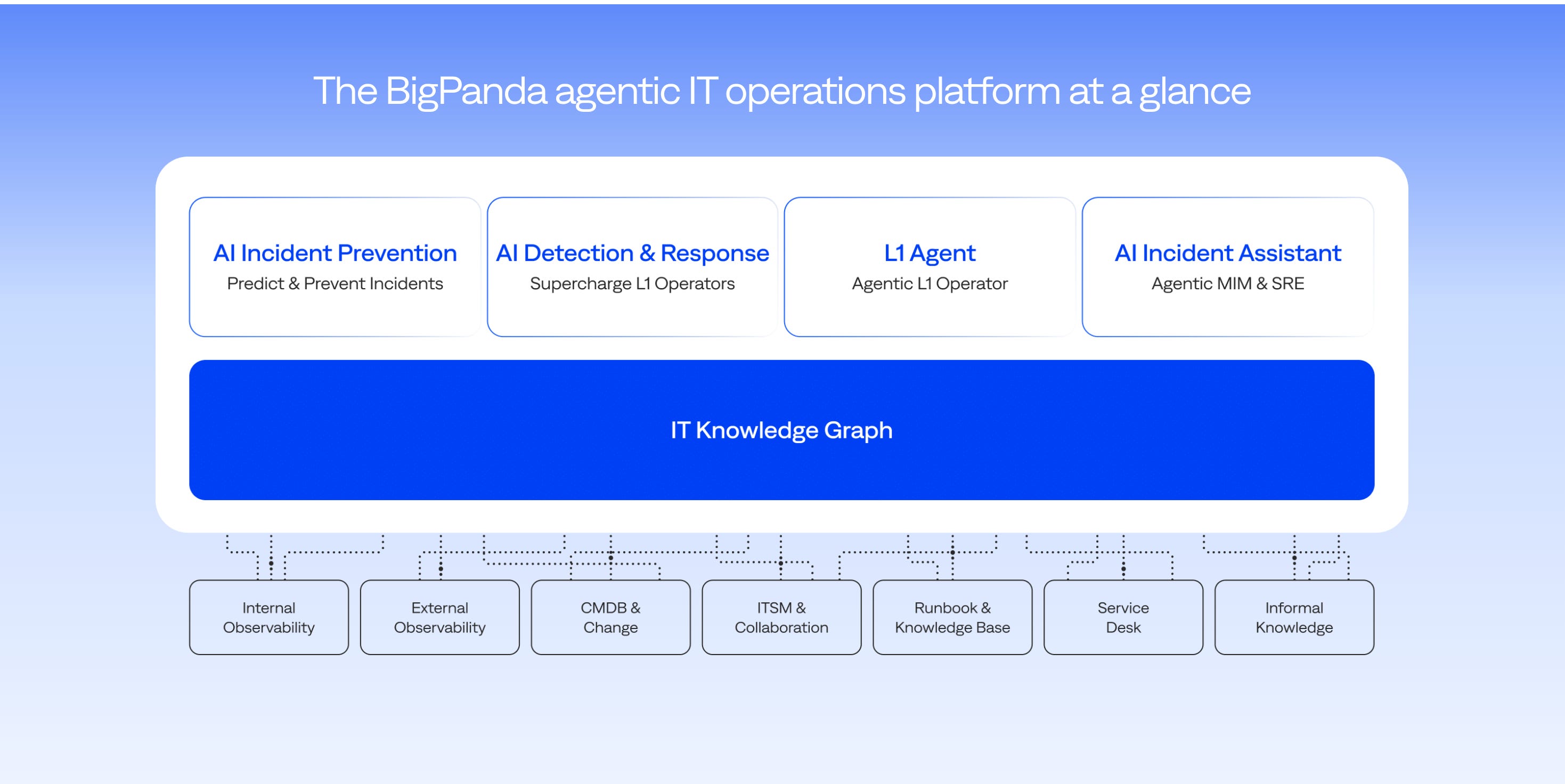
BigPanda focuses on incident intelligence: ingesting alerts from dozens of monitoring tools, deduplicating and correlating them, and routing the resulting incident to the right team automatically. It’s frequently paired with existing monitoring stacks rather than replacing them, which is why enterprise ops teams keep it on shortlists as a tool-agnostic correlation layer.
6. PagerDuty
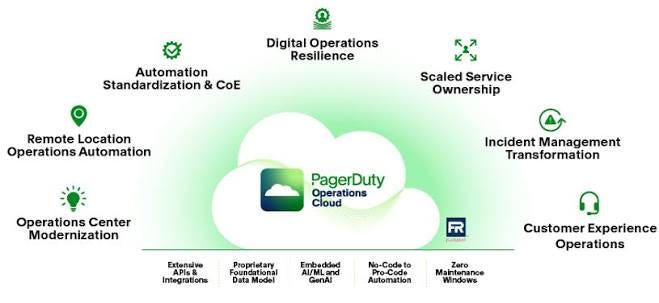
PagerDuty’s AIOps capabilities extend beyond alerting into ML-based alert grouping and automated incident-response workflows, with native integrations across hundreds of platforms. It made this list because on-call reliability is a proxy for AI/data platform reliability too, the same MTTR discipline that keeps applications up increasingly keeps AI pipelines up.
7. ServiceNow ITOM / AIOps
ServiceNow’s AIOps module folds anomaly detection and root-cause analysis into the same workflow platform that already handles IT service management, which lets enterprises connect an incident directly to change records and business services. ServiceNow frames AIOps as the application of artificial intelligence processes and workflows, machine learning, and big data analytics to automate IT operations through event correlation, anomaly detection, and intelligent insight generation, a definition that ties cleanly to its broader enterprise-workflow ambitions. Visit ServiceNow →
8. New Relic
New Relic combines full-stack observability with an AI assistant that can explain anomalies in natural language and suggest likely causes, aimed at reducing the expertise required to interpret telemetry. It’s included here because natural-language incident explanation is becoming table stakes across the category, and New Relic was an early mover on making that usable for non-specialist responders.
9. Grafana Cloud
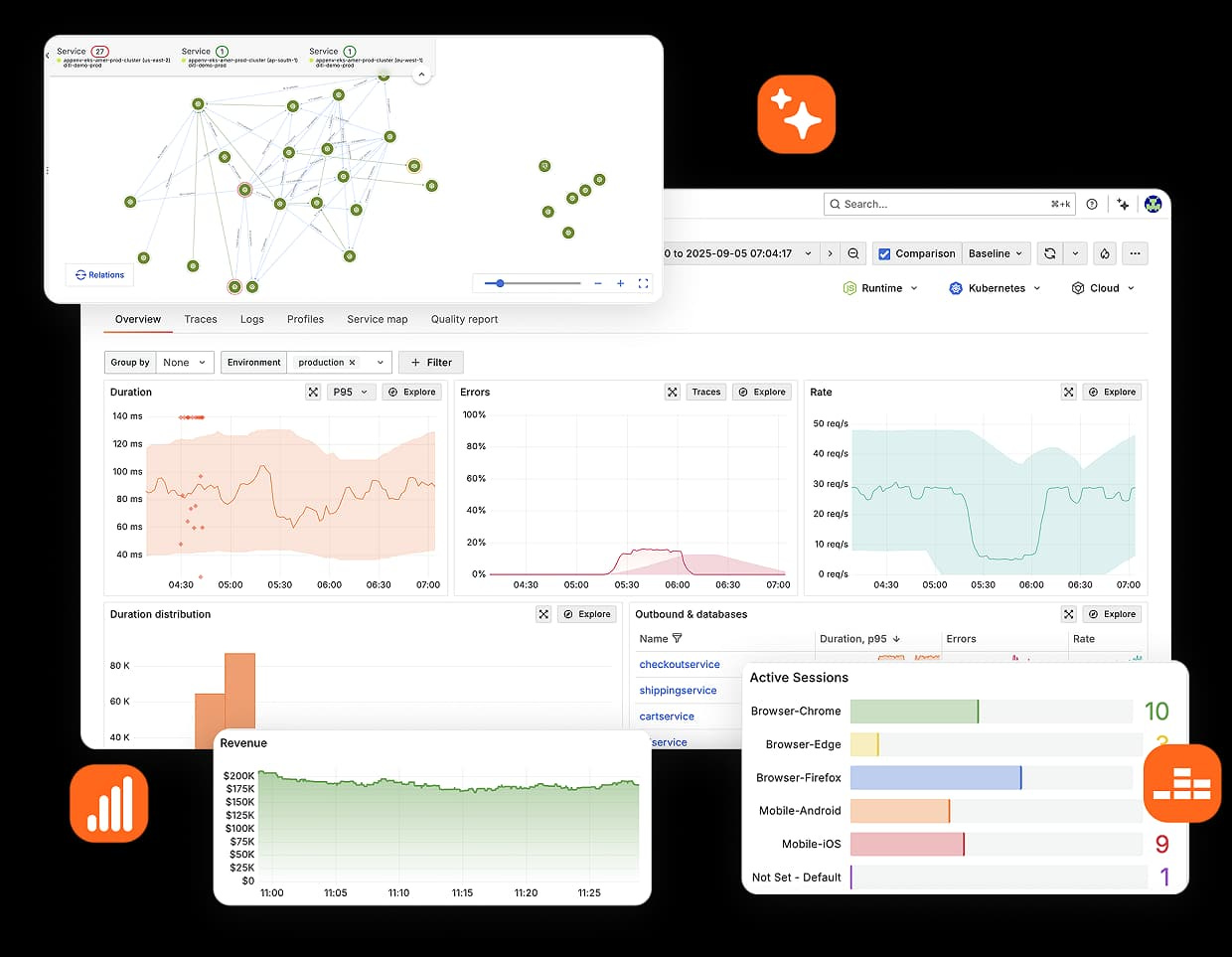
Grafana’s open-source roots and its commercial Cloud offering give teams a vendor-neutral visualisation and alerting layer that plugs into Prometheus, Loki, and Tempo, with ML-based anomaly detection layered on top. It’s on this list because a large share of platform teams standardise dashboards on Grafana regardless of which underlying AIOps engine they use, making it a de facto integration hub. Visit Grafana →
10. Elastic Observability
Built on the Elastic Stack, Elastic Observability applies machine learning jobs to logs, metrics, and APM data to flag anomalies and forecast capacity issues, with the advantage of a search-first architecture for ad hoc investigation. Teams that already use Elasticsearch for other purposes often extend it here to avoid running a second data store purely for observability.
Data Activation and AI-Readiness Platforms
This category answers a different, increasingly urgent search intent: not “how do we watch our infrastructure,” but “how do we make our data usable by AI in the first place.” Enterprises are learning that a full traceability framework for agentic decisions matters because a single bad reasoning step can cascade silently through several more steps, each one logging a clean success, a failure mode that has nothing to do with server uptime and everything to do with data and context quality.
11. Databricks
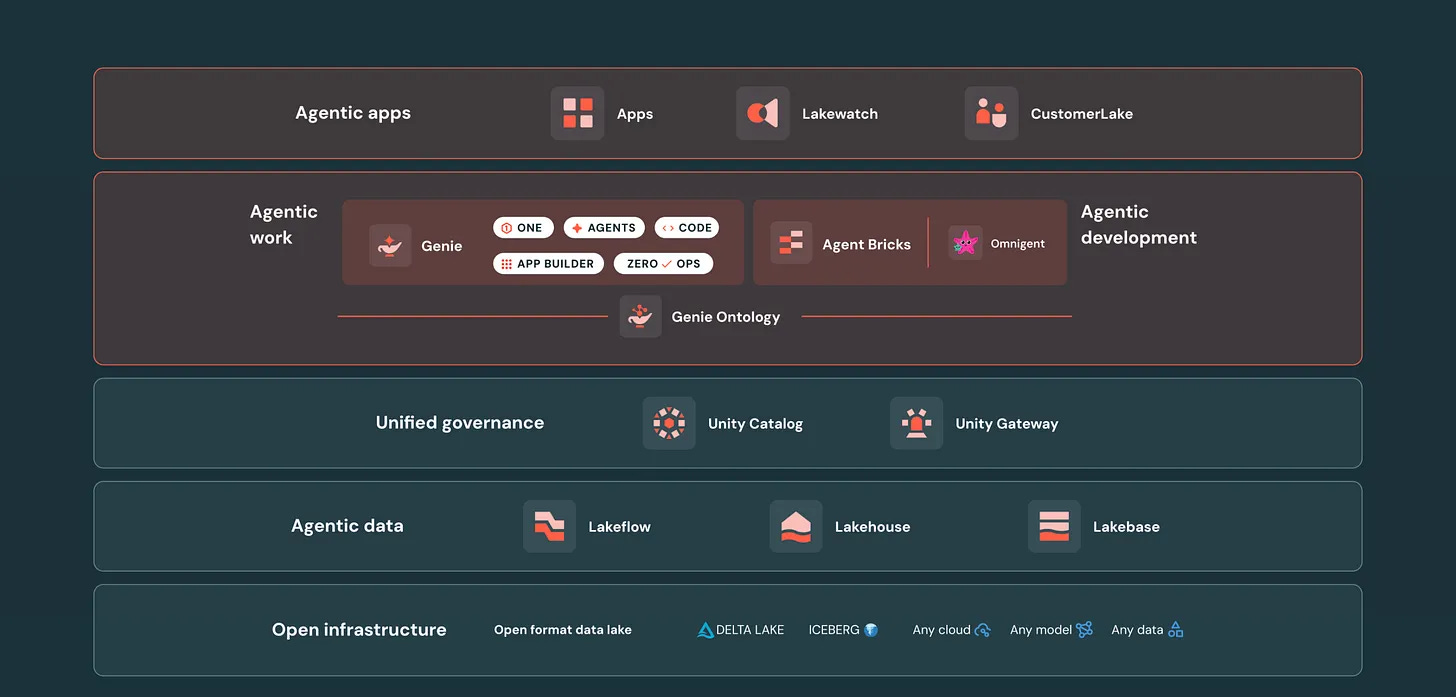
Databricks’ Data Intelligence Platform unifies data engineering, warehousing, and MLOps on a lakehouse architecture, with its Unity Catalog layer increasingly used as a governance backbone for AI workloads. It’s a near-default shortlist entry because so many enterprises already run their model training and feature engineering there, making AI-scale governance an extension of existing infrastructure rather than a new buy.
12. Snowflake (Cortex AI)
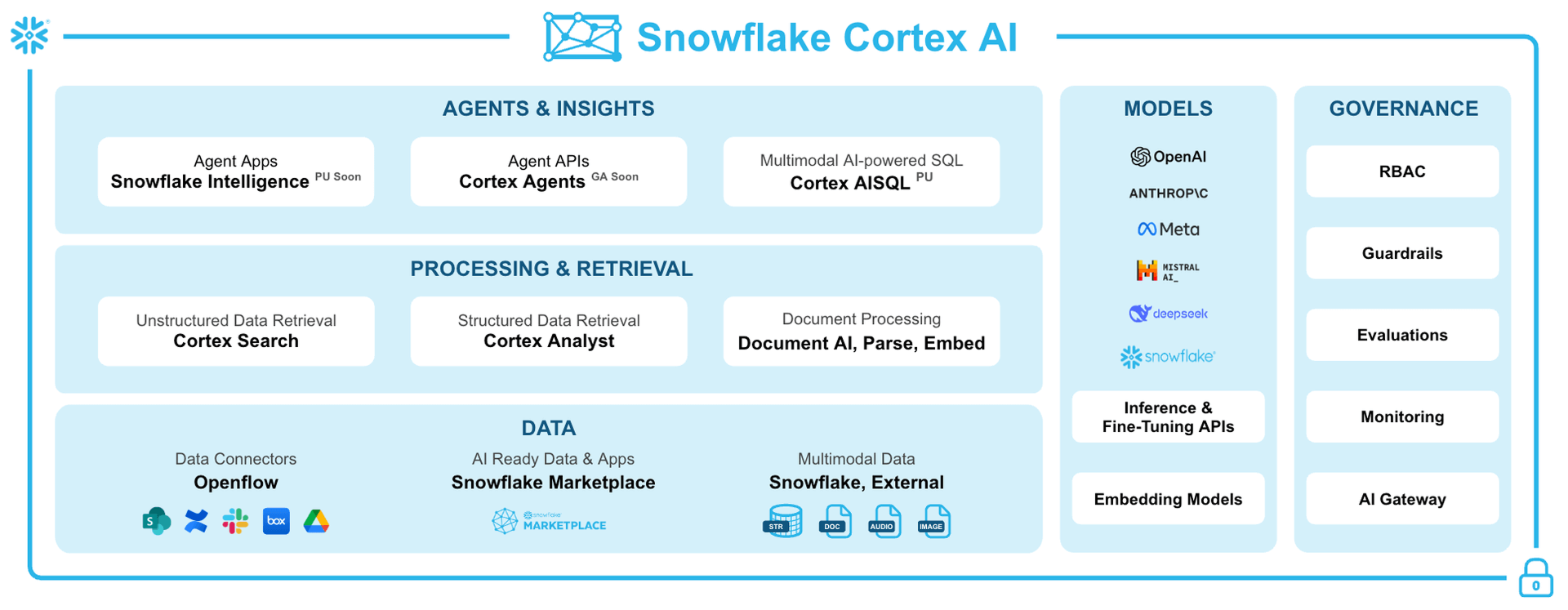
Snowflake’s Cortex AI functions let teams run LLM inference and ML models directly against warehouse data without moving it, reducing the data-movement risk that often breaks governance controls. It’s relevant to AI-scale conversations specifically because “don’t move the data” has become a governance and cost argument as much as a performance one. Visit Snowflake →
13. DataRobot
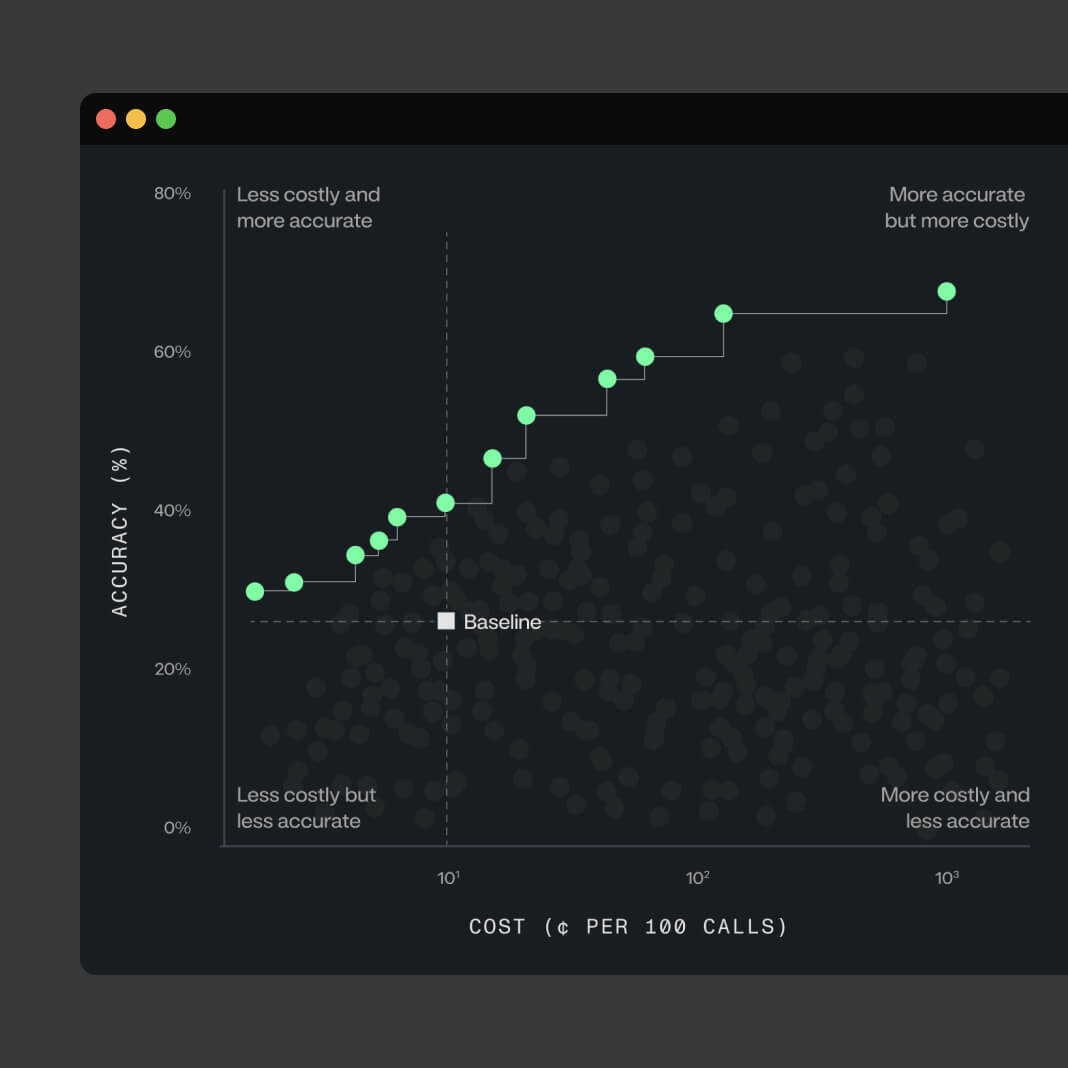
DataRobot automates much of the ML lifecycle, feature engineering, model selection, deployment, and monitoring, aimed at organisations that need to scale model production without scaling data science headcount proportionally. It’s included because automated, governed model deployment is a direct answer to the talent-readiness gap enterprises keep citing as a scaling blocker. Visit DataRobot →
14. H2O.ai
H2O.ai offers both open-source (H2O-3, H2O Wave) and enterprise AutoML/Generative AI tooling aimed at making model development faster for teams without deep ML engineering benches. It’s on this list because its open-core model gives smaller data teams a credible path into automated ML without a large upfront platform commitment. Visit H2O.ai →
15. Dataiku
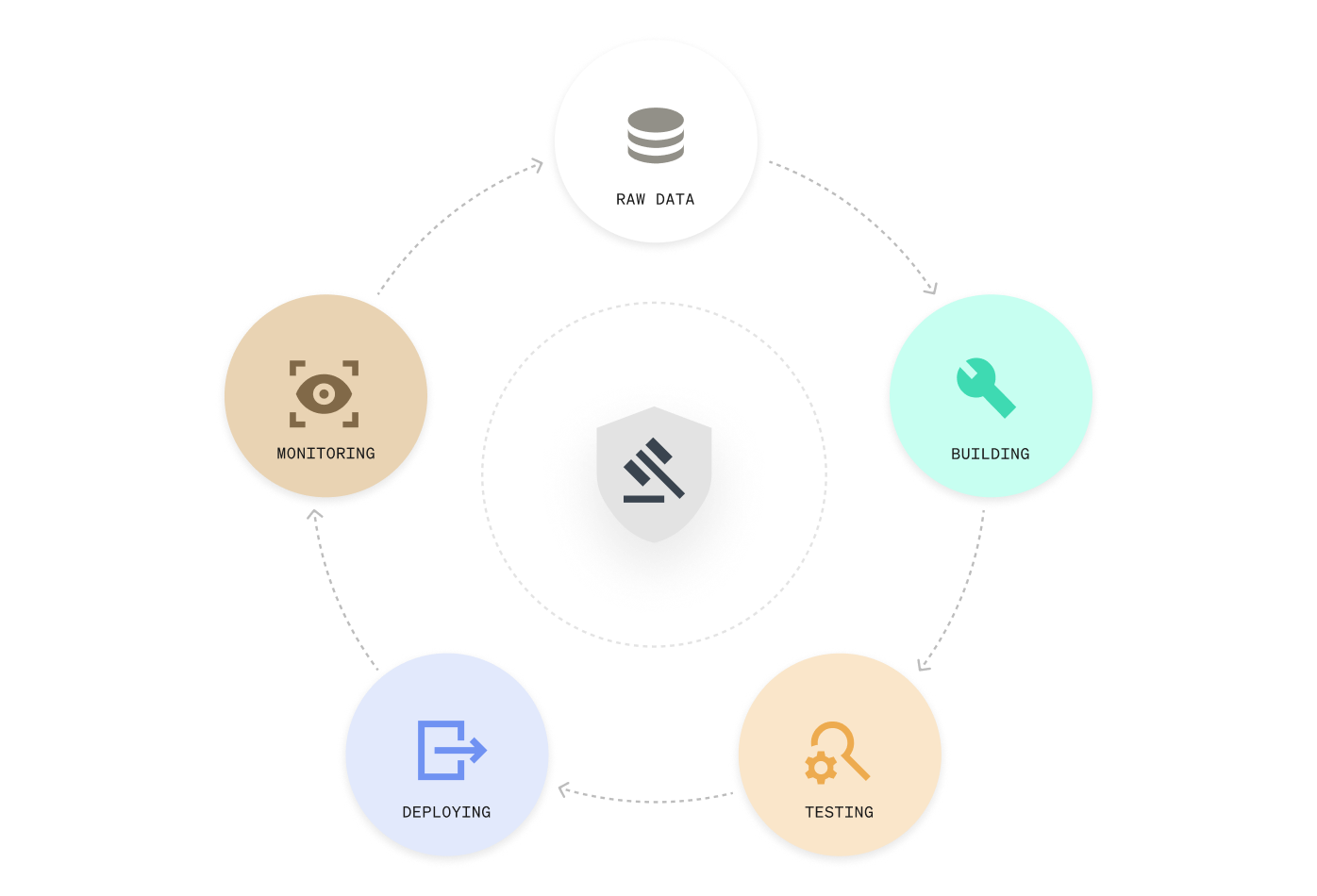
Dataiku’s collaborative platform lets data scientists, analysts, and engineers work in the same environment across the full pipeline, from data prep through MLOps and generative AI app-building. It’s a common shortlist entry for enterprises trying to close the gap between a handful of expert data scientists and a much larger population of business analysts who need to contribute to AI initiatives. Visit Dataiku →
MLOps and LLMOps Platforms for AI Scale
16. Amazon SageMaker
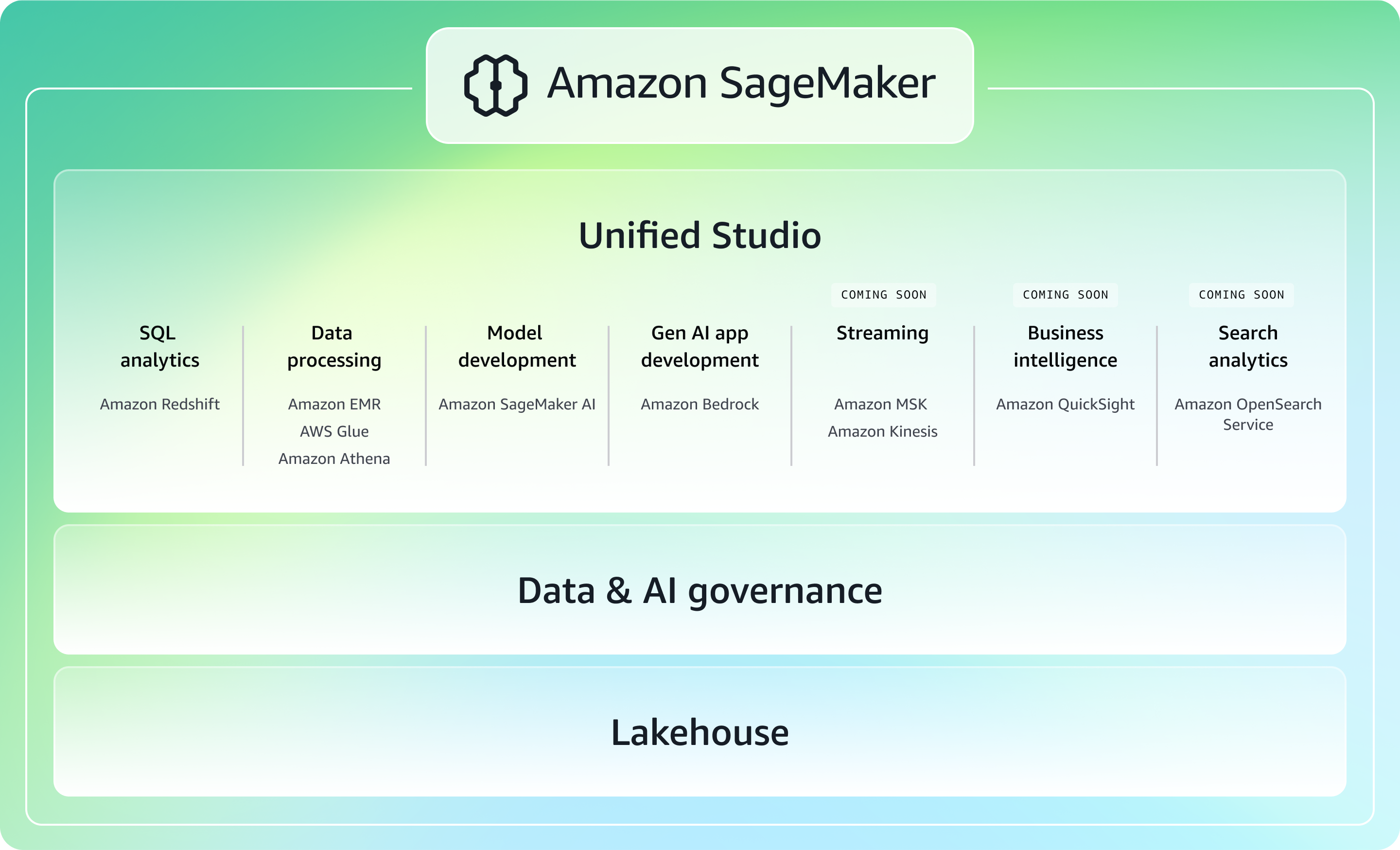
SageMaker covers the full ML lifecycle on AWS, from labelling and training through deployment and monitoring, and increasingly includes generative AI tooling through SageMaker JumpStart and Bedrock integration. It stays essential to this list because of sheer footprint: it’s frequently the default MLOps layer for organisations already standardised on AWS infrastructure. Visit Amazon SageMaker →
17. Google Vertex AI
Vertex AI consolidates Google Cloud’s ML tooling, AutoML, custom training, model registry, and Gemini-based generative AI, into one managed platform with strong support for feature stores and pipeline orchestration. It’s a natural fit for organisations that want tight integration between their data warehouse (BigQuery) and their model layer without custom glue code. Visit Google Vertex AI →
18. Microsoft Azure Machine Learning
Azure ML provides managed training, deployment, and responsible-AI tooling, with deep integration into Azure OpenAI Service for enterprises building on GPT-family models under Microsoft’s compliance umbrella. It’s frequently the path of least resistance for regulated enterprises that need generative AI capability inside an existing Microsoft governance and identity framework. Visit Azure Machine Learning →
19. MLflow
MLflow is the open-source standard for experiment tracking, model packaging, and registry management, and it now underpins commercial offerings from Databricks and others. It’s on this list because it remains the most vendor-neutral way to bring reproducibility and lineage to model development, regardless of where training actually runs. Visit MLflow →
20. Weights & Biases
W&B focuses on experiment tracking, hyperparameter optimisation, and collaborative model evaluation, with a developer experience that has made it a favourite among research and applied ML teams building foundation-model applications. It made the list because LLM fine-tuning and evaluation workflows have become a distinct, fast-growing sub-category of MLOps that W&B addresses directly. Visit Weights & Biases →
21. Kubeflow
Kubeflow brings ML pipeline orchestration natively onto Kubernetes, giving platform teams a way to run training and inference workloads with the same operational tooling they already use for everything else. It’s relevant for organisations whose AI-scale strategy is explicitly “extend our existing Kubernetes platform” rather than adopt a separate managed ML service. Visit Kubeflow →
22. Domino Data Lab
Domino provides a unified environment for data science work across any infrastructure (cloud, on-prem, or hybrid), with strong governance and reproducibility features aimed at regulated industries like financial services and pharma. It’s on this list because “AI governance without vendor lock-in” is a specific, recurring requirement among enterprises with strict infrastructure sovereignty rules. Visit Domino Data Lab →
23. ClearML
ClearML is an open-source MLOps suite covering experiment management, orchestration, and model deployment, popular with teams that want self-hosted control over their ML infrastructure without building it from scratch. It rounds out the MLOps section as the pragmatic middle ground between fully managed cloud services and building everything in-house. Visit ClearML →
Data Orchestration and Integration Platforms
Every AI-readiness conversation eventually runs into the same wall: models can’t be trusted if the data feeding them isn’t reliably moved, transformed, and versioned. These platforms handle that plumbing.
24. Apache Airflow
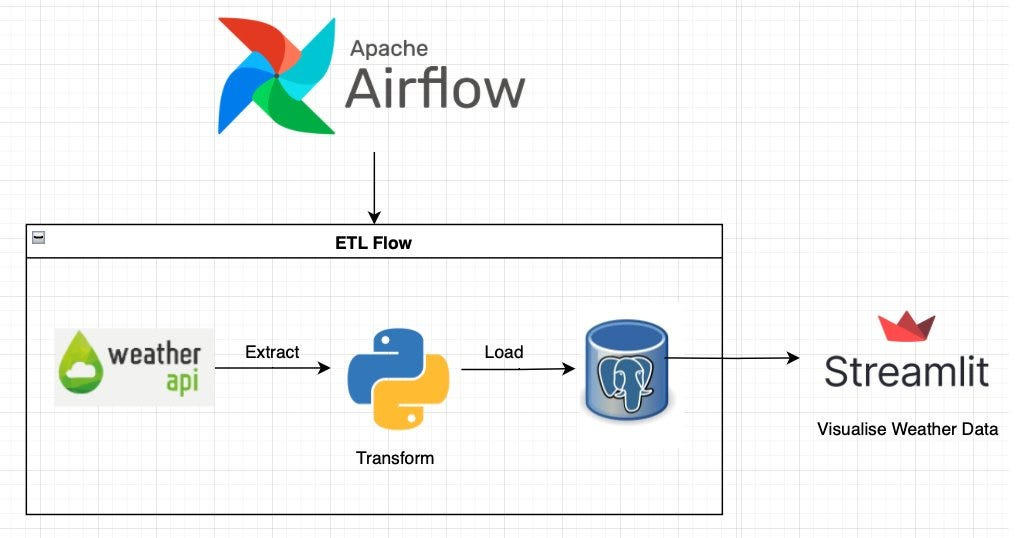
Airflow remains the most widely adopted open-source workflow orchestrator, scheduling and monitoring the pipelines that feed both analytics and AI systems. It’s included because so many of the platforms above assume an orchestration layer underneath them, and Airflow is still the most common answer to “what runs our pipelines.” Visit Apache Airflow →
25. dbt Labs
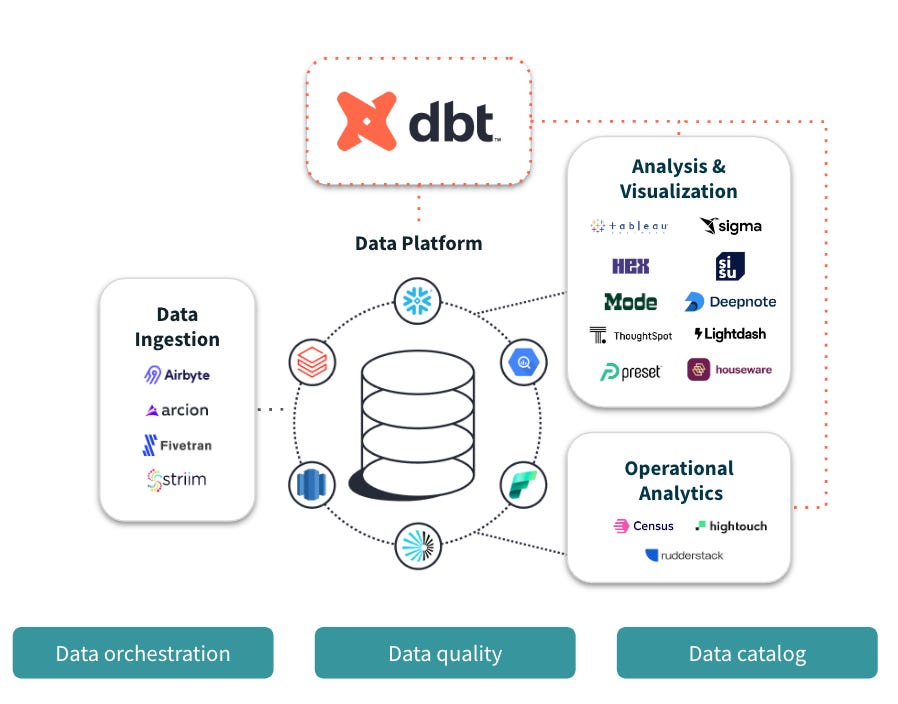
dbt turned SQL-based data transformation into a software-engineering discipline, with version control, testing, and documentation built into the workflow. It belongs on an AI-readiness list because trustworthy AI outputs depend on trustworthy transformation logic, and dbt is how most modern data teams enforce that discipline. Visit dbt Labs →
26. Fivetran
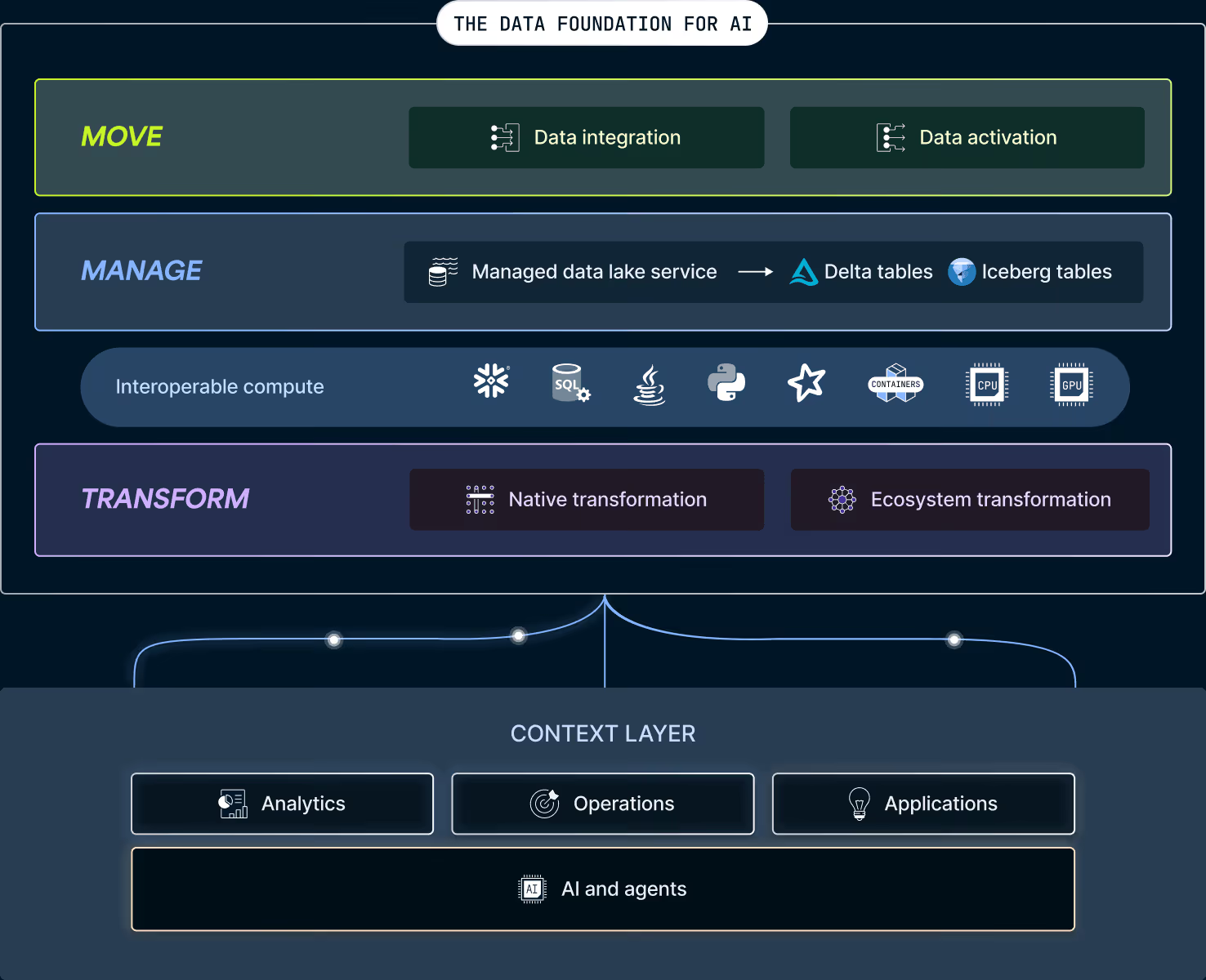
Fivetran automates data ingestion from hundreds of source systems into a warehouse or lakehouse, removing a large share of the manual pipeline maintenance that used to eat data engineering time. AI-scale initiatives are frequently blocked less by modelling skill and more by the unglamorous problem of getting source data connected reliably, which Fivetran rules out. Visit Fivetran →
27. Informatica (CLAIRE AI)
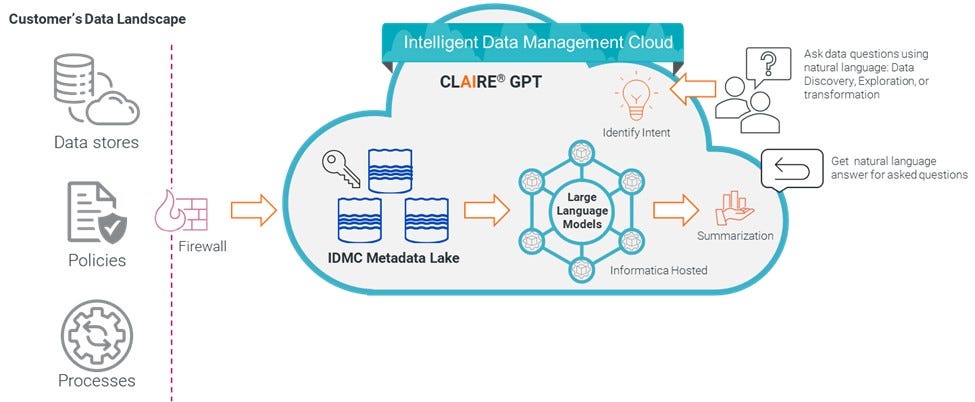
Informatica’s CLAIRE engine adds AI-driven metadata discovery, data quality scoring, and mapping recommendations across its long-standing integration platform, aimed at enterprises with large, heterogeneous legacy estates. It stays relevant because most Fortune 500 data landscapes still include systems Informatica has integrated for a decade or more, making AI-assisted modernisation more practical than a rip-and-replace approach. Visit Informatica →
Data Governance, Cataloging, and Semantic Layer Platforms
28. Collibra
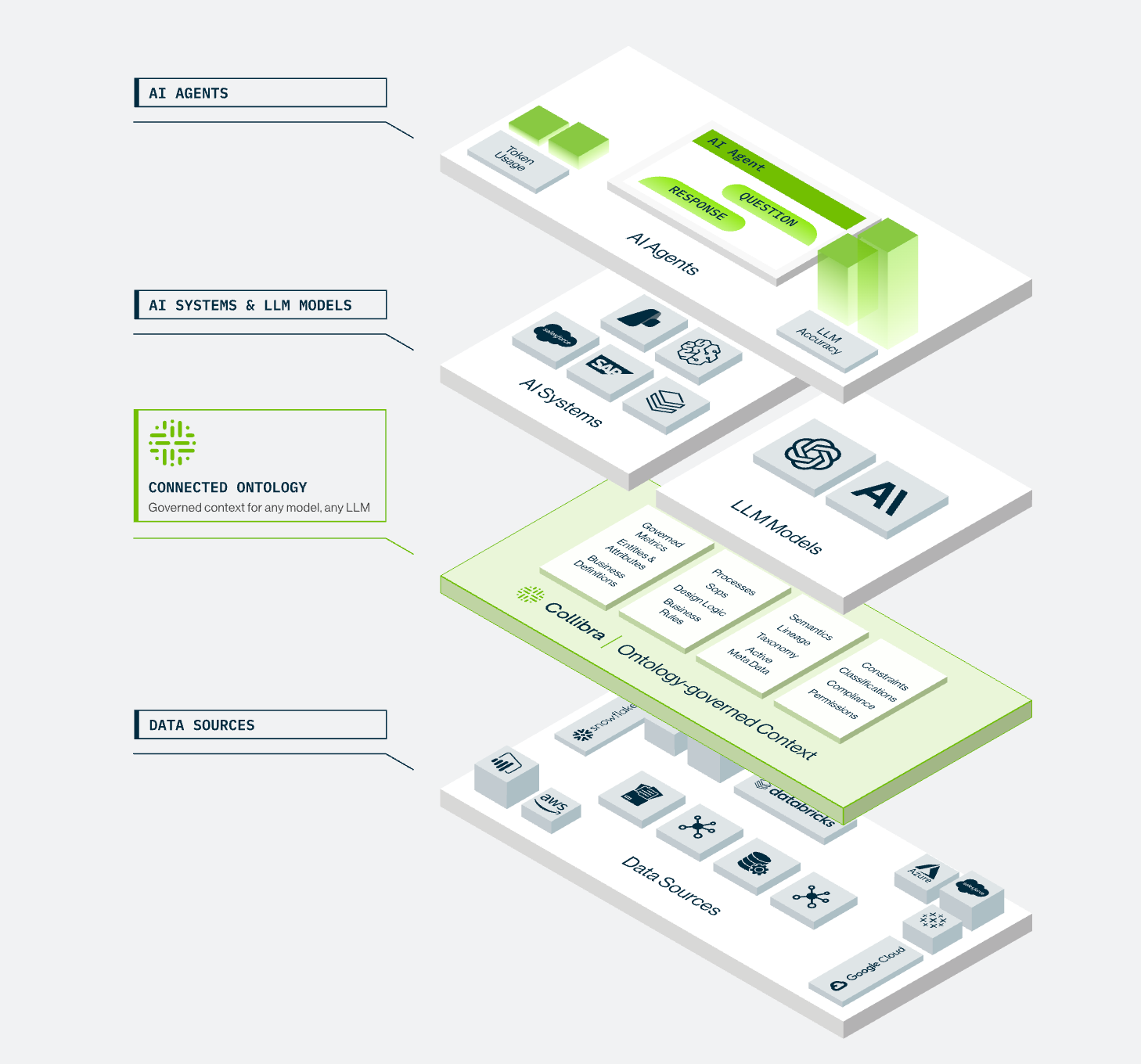
Collibra provides data governance, cataloging, and policy management aimed at giving enterprises a defensible answer to “what data do we have, who owns it, and are we allowed to use it for this.” It’s essential to any AI-scale list because Deloitte research shows nearly three-quarters of organisations plan to adopt agentic AI within two years, while only about a fifth currently have a mature governance model for those agents, a gap governance-first platforms like Collibra are built to close.
29. Alation
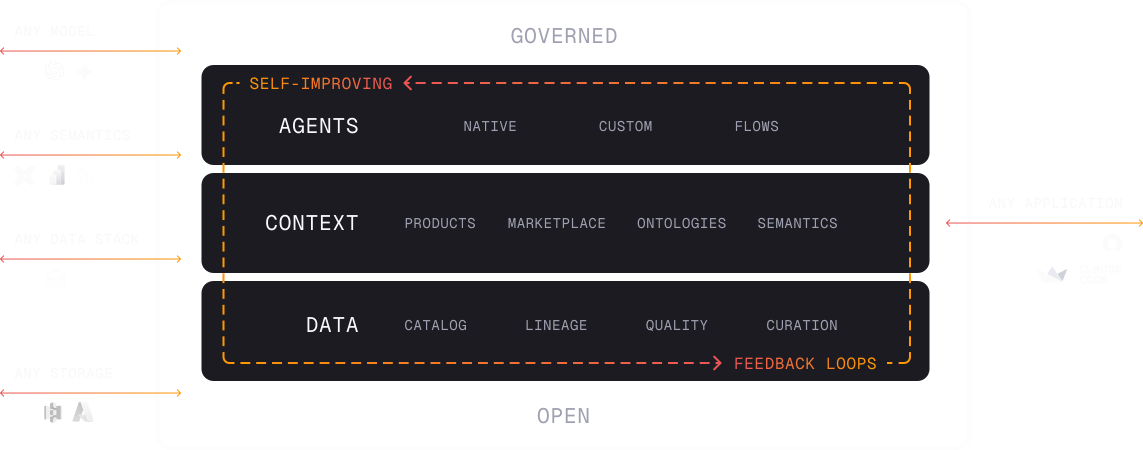
Alation combines a data catalog with active metadata and a built-in glossary, aimed at making data discoverable and trustworthy for both human analysts and, increasingly, AI agents querying the catalog directly. It made this list because catalog-as-context-layer for AI has become one of the fastest-growing use cases in the category over the past two years.
AI, Model, and Agent Observability Platforms
Once models and agents are in production, a new observability problem appears — one that infrastructure-focused AIOps tools were never designed to solve.
30. Arize AI
Arize specialises in ML and LLM observability: tracking model drift, data quality, and output quality in production, with dedicated tracing for agentic and RAG workflows. It’s on this list because model performance degradation is often silent and slow, and Arize exists specifically to catch that before it becomes a business-facing failure. Visit Arize AI →
31. Fiddler AI
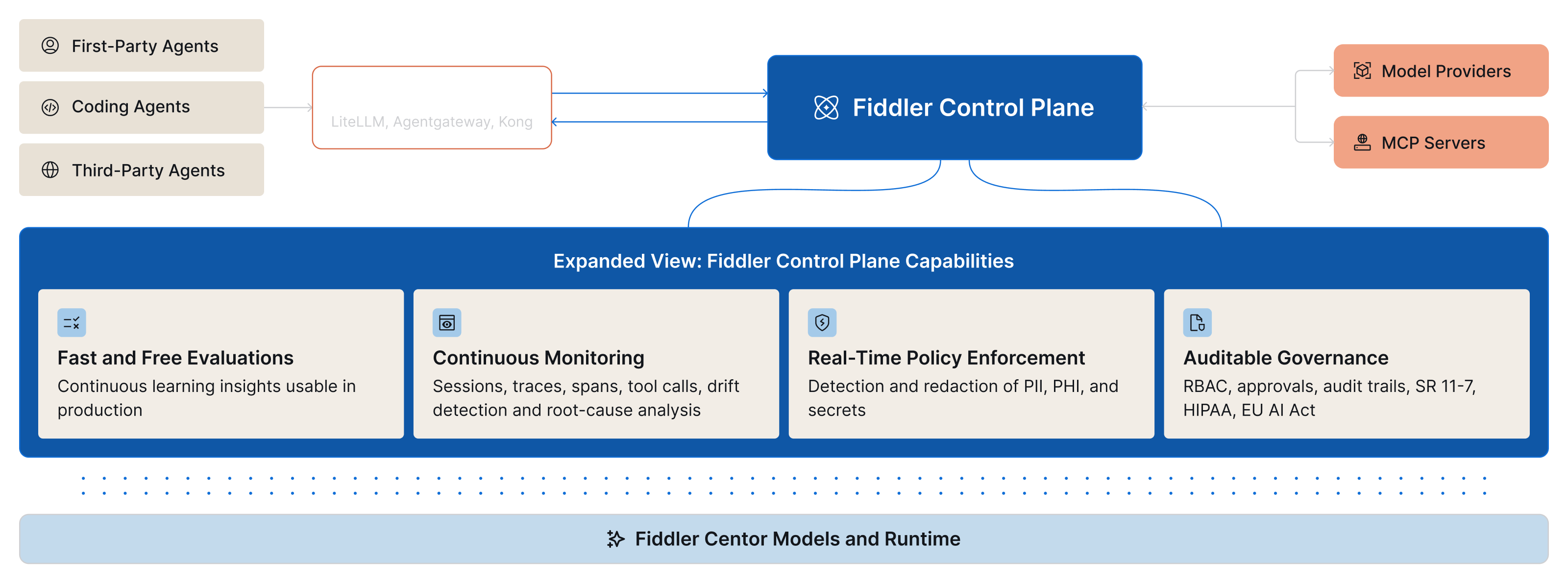
Fiddler focuses on model monitoring and explainability, giving teams the ability to trace a prediction back to the features that drove it, which is increasingly a regulatory requirement in finance and insurance. It belongs here because explainability is becoming as much a compliance need as a debugging one, especially under emerging AI regulation.
32. WhyLabs
WhyLabs offers lightweight, privacy-preserving monitoring for ML and LLM applications, built around open-source data logging (whylogs) that avoids sending raw data to a third party. It’s a strong fit for regulated or privacy-sensitive organisations that want observability without centralising sensitive data outside their own environment.
33. Galileo
Galileo focuses specifically on evaluation and observability for LLM and generative AI applications, helping teams catch hallucinations, prompt regressions, and quality issues before and after deployment. It made this list because generative-AI-specific evaluation is a genuinely new discipline that traditional APM tools don’t cover well. Visit Galileo →
AI Infrastructure: Vector, Feature, and Retrieval Platforms
34. Pinecone
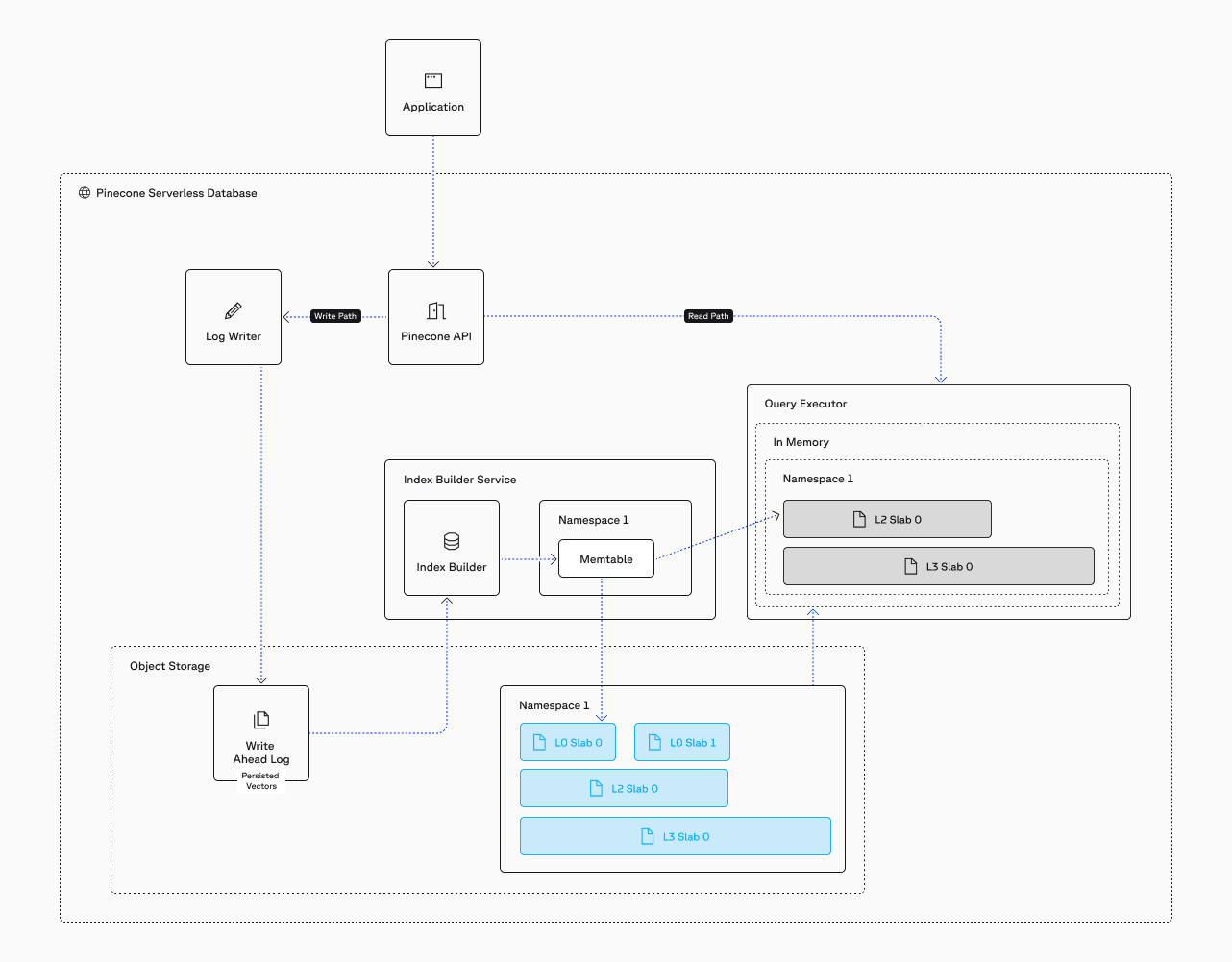
Pinecone is a managed vector database purpose-built for similarity search at scale, widely used as the retrieval backbone for RAG applications. It’s included because retrieval quality directly determines generative AI output quality, making vector infrastructure a first-class AI-scale concern rather than a niche database choice.
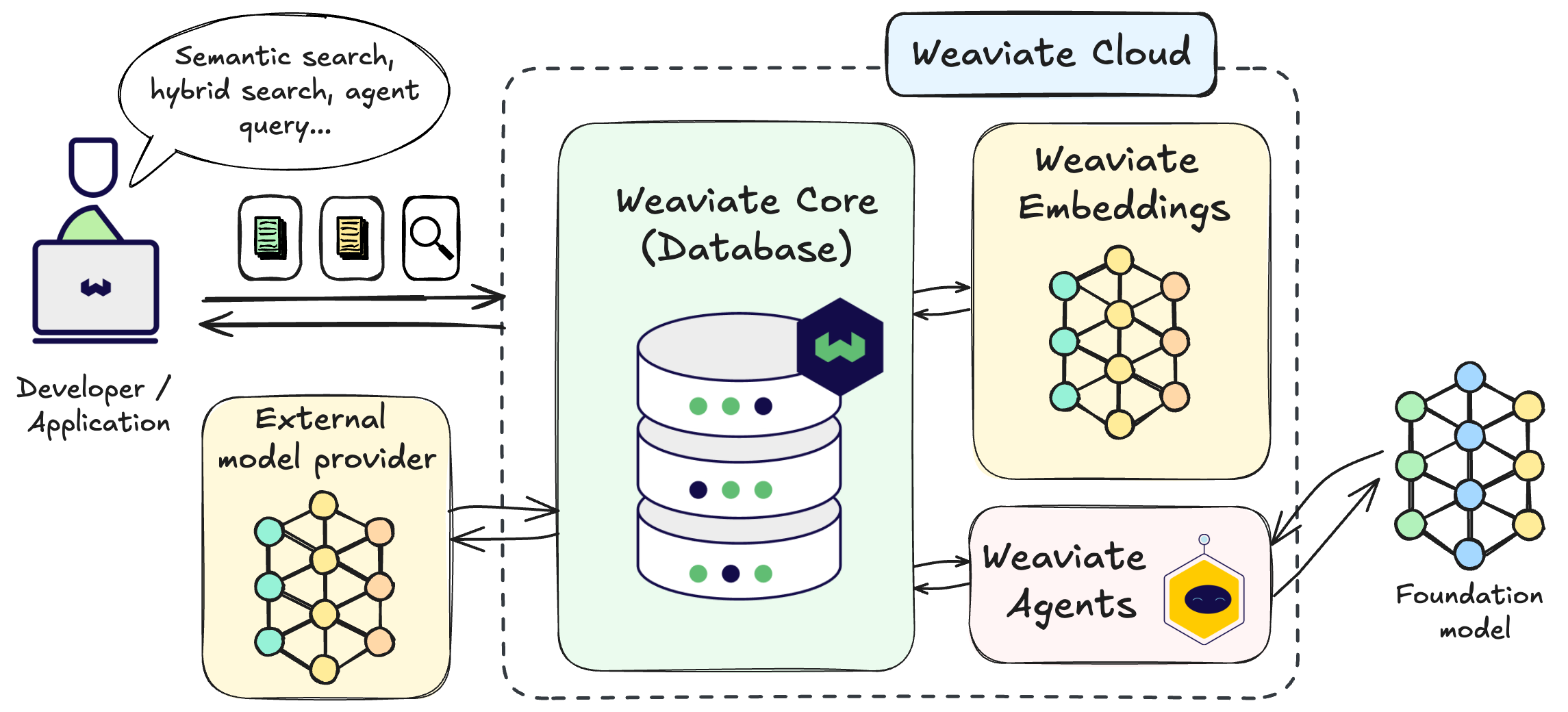
35. Weaviate
Weaviate is an open-source vector database with built-in hybrid search and modules for combining vector and keyword retrieval, giving teams more control over relevance tuning than a purely managed alternative. It’s on this list as the leading open-source counterpart to Pinecone for teams that want to self-host retrieval infrastructure.
36. LangSmith (LangChain)
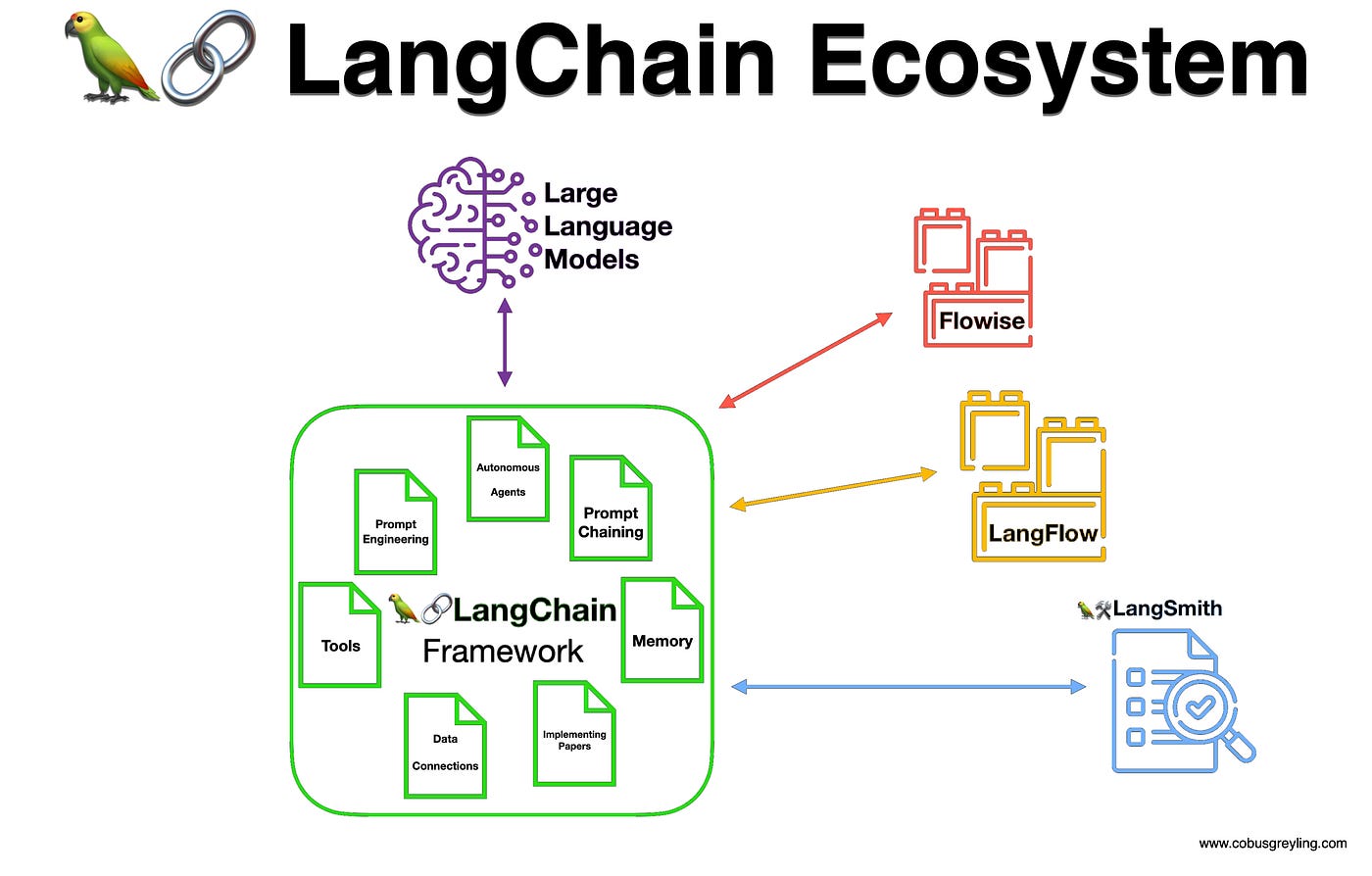
LangSmith provides tracing, evaluation, and debugging specifically for applications built with LangChain and other LLM-orchestration frameworks, making multi-step agent behaviour inspectable rather than opaque. It’s on this list because agent debugging has become its own operational discipline, distinct from both classic APM and classic MLOps. Visit LangSmith →
AI Governance and Responsible AI Platforms
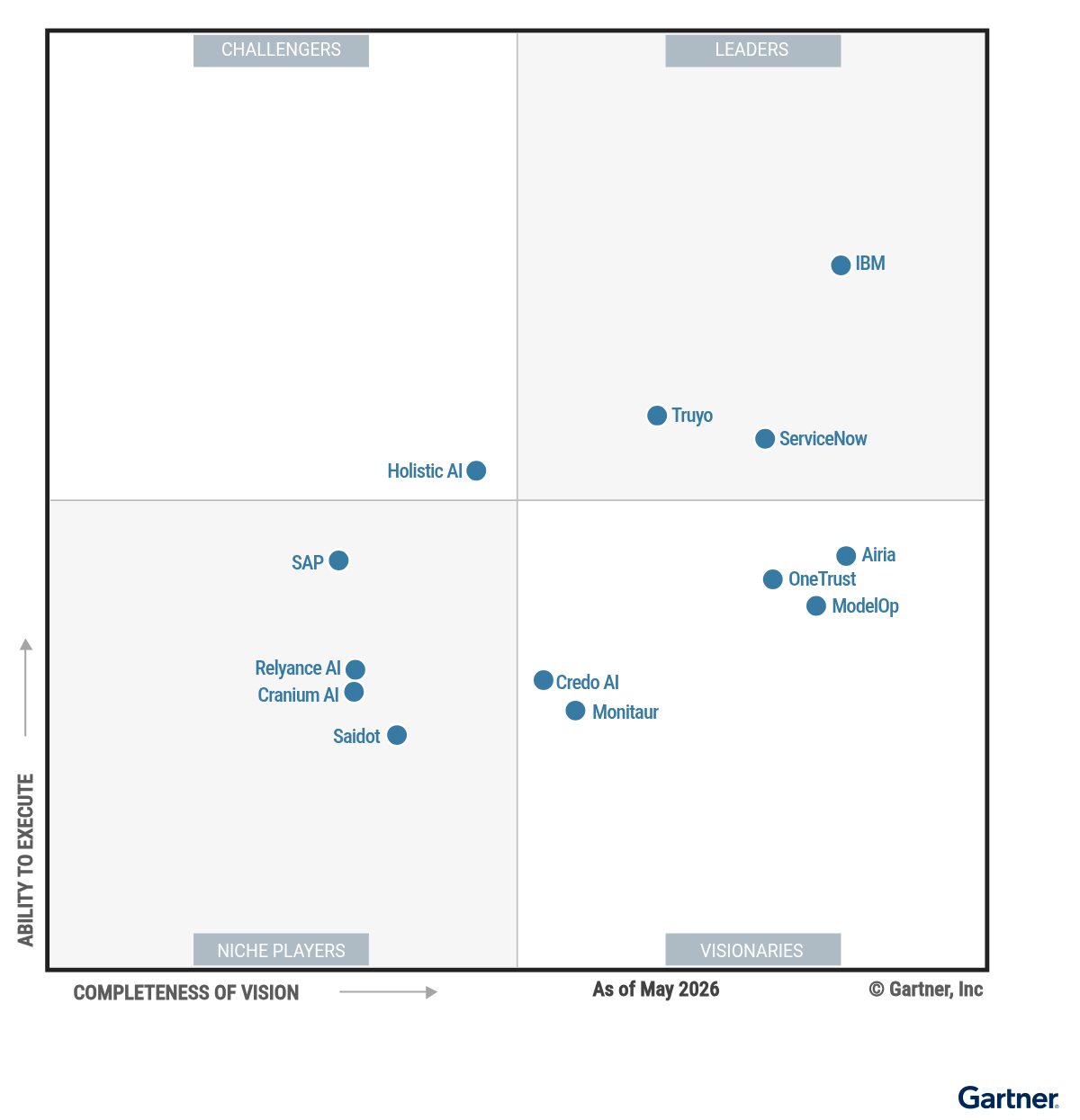
37. Holistic AI
Holistic AI offers AI governance, risk, and compliance tooling covering bias testing, model auditing, and regulatory tracking across jurisdictions, aimed at enterprises deploying AI in consumer-facing or regulated contexts. It closes out this list because governance-by-design is increasingly treated as a prerequisite for AI scale, not an afterthought bolted on once something goes wrong.
38. Credo AI
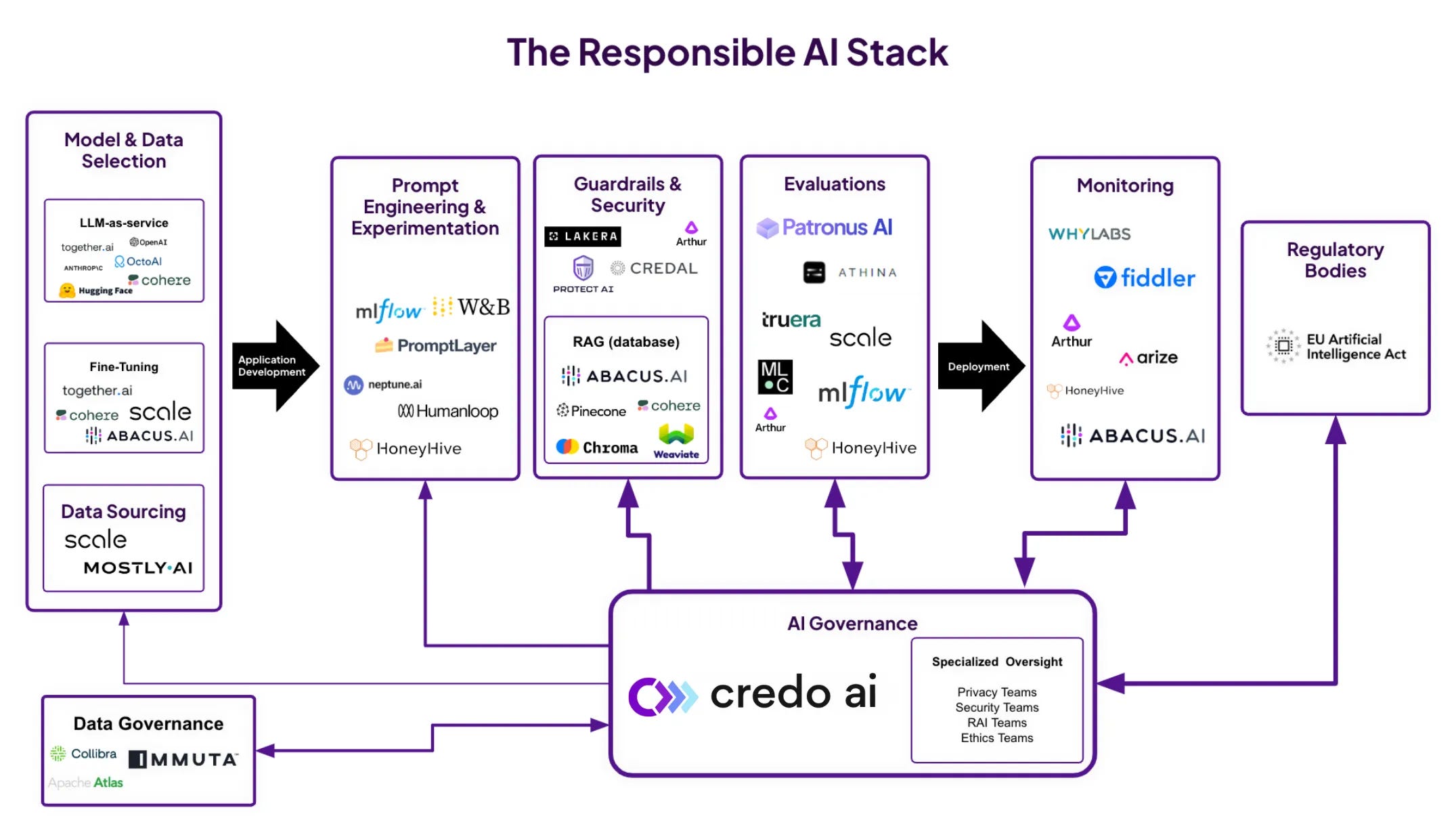
Credo AI provides AI governance software that maps regulatory requirements (like the EU AI Act) to internal policies and technical controls, giving compliance and data teams a shared system of record for AI risk. It’s on this list because regulatory-mapped governance tooling is becoming a genuine buying category, not just a feature bolted onto observability platforms.
Resolving Tool Sprawl for True AI Readiness
Looking across the tools, a pattern shows up that most AIOps listicles miss: the fastest-growing part of the category is better data. Data readiness itself has no fixed meaning until you define what “ready” is for, ready for a dashboard is a different bar than ready for an autonomous agent making a decision without a human checking its work. A model only knows what a system makes explicit to it; it has no access to the tribal knowledge that lets a human analyst know which table is “the real one” versus which dashboard is unofficial.
That is precisely the gap data-product platforms like DataOS and cataloguing tools like Collibra and Alation are built to close, and it’s why they now sit on the same shortlist as classic observability vendors.
For teams building out their own AI-scale stack, a reasonable starting sequence is: get the data layer AI-ready first (DataOS, Databricks, Snowflake, dbt, Fivetran), add governance and cataloging (Collibra, Alation, Credo AI), build or deploy models with proper MLOps (SageMaker, Vertex AI, Azure ML, MLflow), and only then invest heavily in agent- and model-specific observability (Arize, Galileo, LangSmith), because none of that observability data means much if the underlying data foundation isn’t trustworthy in the first place. Deloitte’s own 2026 research found that while a majority of technology executives feel prepared to modernise platforms and build AI capability, most still expect their operating model itself will need to change within the next 12 to 18 months to sustain that progress, a reminder that tool selection is necessary but not sufficient without the underlying readiness work.
Connect with a community data expert
A no-cost session with a practitioner who's been where you are.
About Modern Data 101
Modern Data 101 is a movement redefining how the world thinks about data. A community built by the same team behind the world’s first data operating system, Modern Data 101 sits at the intersection of data, product thinking, and AI. Spread across 150+ countries, the community brings together a global network of practitioners, architects, and leaders who are actively building the next generation of data systems.
At its core, Modern Data 101 exists to simplify the journey from raw data to tangible and observable impact. It advocates high-potential data systems and next-gen architectures to unify and activate insights and automation across analytics, applications, and operational workflows at the edge.
In a world shifting from data stacks to AI ecosystems, Modern Data 101 helps teams not just navigate the change but lead it.


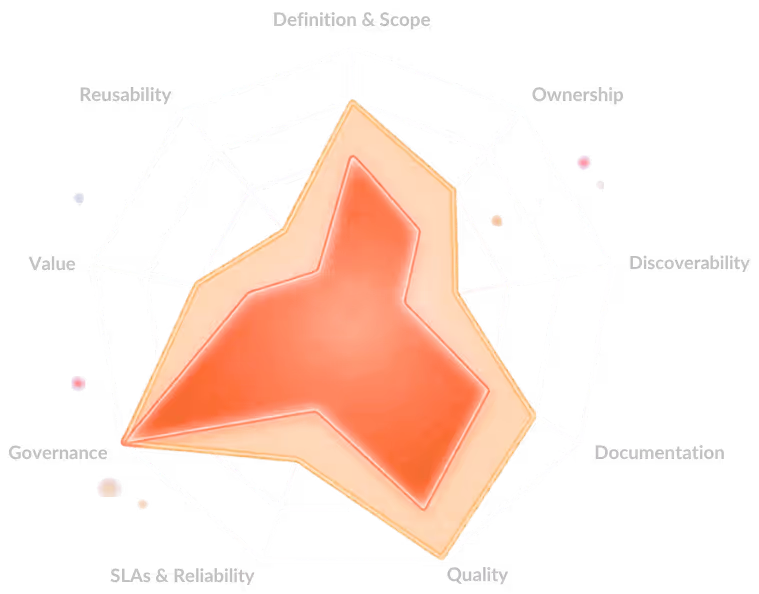
Where does your org stand on data product maturity?
A 9-dimension self-assessment used by 100+ data teams to benchmark strategy, ownership, and platform readiness.


Ritwika Chowdhury
Ritwika Chowdhury is a data and technology professional focused on data products, AI, and modern data architecture. Her work sits at the intersection of data strategy, product thinking, and emerging AI technologies, with a focus on helping organisations turn enterprise data into trusted, usable, and scalable assets.
Read the ideas here. Build them with The Modern Data Company.
Modern Data 101 is where the data community thinks out loud. When you're ready to move from articles to architecture, data products, governed AI pipelines, or a full Data Operating System; the team behind this community can help you build it.
.png)

.png)

.png)