What are data agents? The bridge between agentic AI and enterprise data
Gartner says 40% of enterprise apps will run task-specific AI agents by the end of this year, up from under 5% last year. Most data agents will have nothing trustworthy to act on.

TL;DR
A data agent is a software entity that perceives, reasons over, and acts on enterprise data with a defined degree of autonomy, rather than simply retrieving or displaying it. Unlike an analytics agent, it changes the state of a system, which makes enterprise data governance the precondition for safe, reliable agentic AI action.
What Is a Data Agent
A data agent is a system that acts on enterprise data rather than just surfacing it. It observes data, decides what to do based on context and rules, and executes that action, whether that's flagging an anomaly, triggering a pipeline fix, or reassigning ownership of an orphaned dataset.
This is the core distinction between a data agent and a dashboard or a query tool: agents act, tools respond.
Data agents draw their reliability entirely from the enterprise data platform beneath them. An agent reasoning over undocumented, poorly owned data will act on bad premises just as confidently as it acts on good ones.
Data Agent vs Analytics Agent: What Sets Them Apart
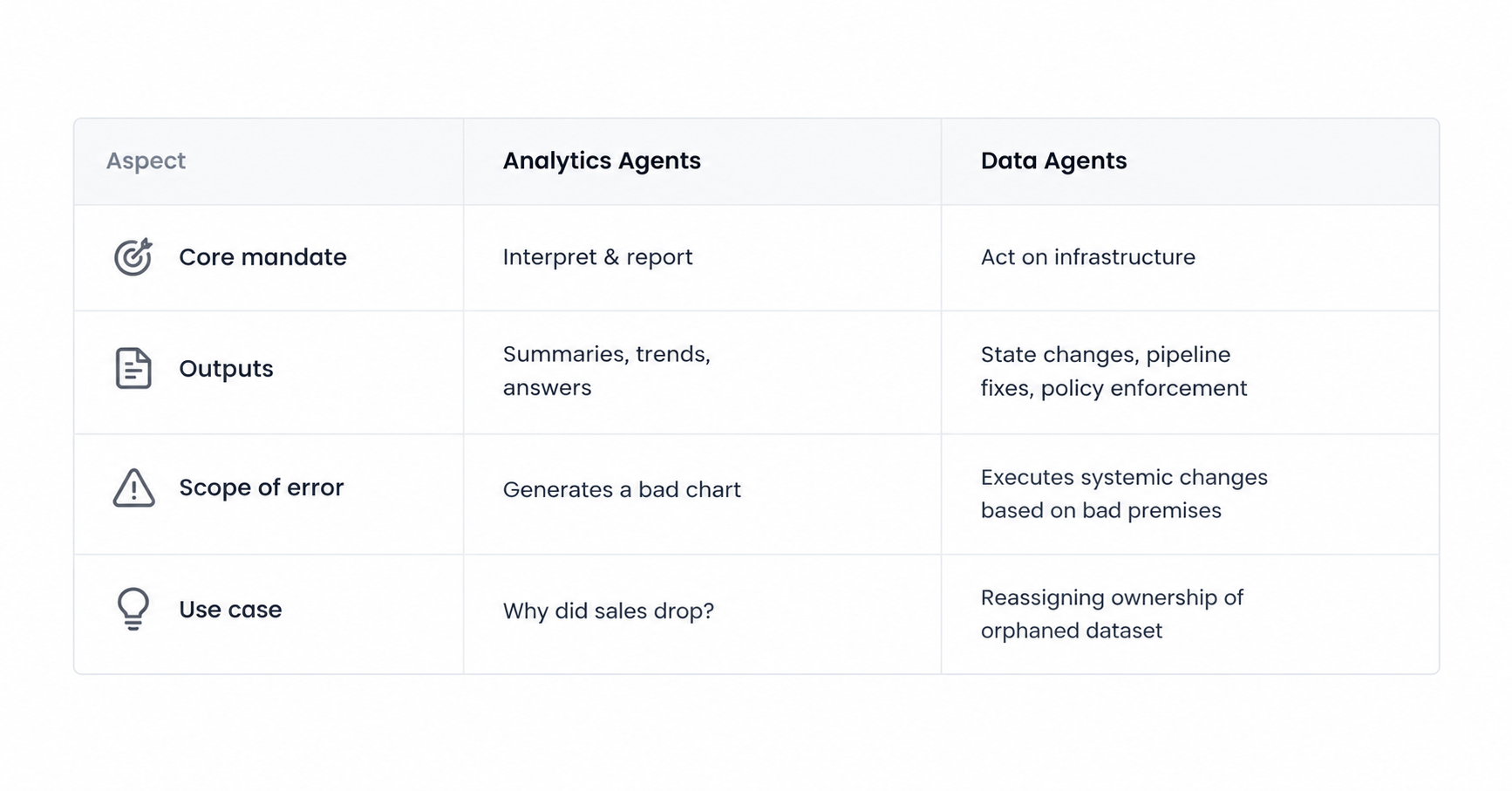
An analytics agent is typically scoped to interpretation: it answers questions, summarises trends, and generates reports from existing data. A data agent has a broader mandate that includes acting on the data infrastructure itself, such as managing lineage, enforcing quality rules, or coordinating across pipelines.
The two overlap in practice. Many platforms bundle both, but the distinction matters for scoping risk: an analytics agent that gets something wrong produces a bad chart, while a data agent that gets something wrong can change the state of a system.
What Is Agentic AI, and Why Does It Matter for Enterprise Data
Agentic AI refers to systems that pursue multi-step goals with a degree of independence, rather than responding to single prompts. Instead of a single input-output exchange, an agentic system plans a sequence of actions, evaluates outcomes, and adjusts course, often across several tools or data sources.
[related-1]
Gartner projects that 40% of enterprise applications will embed task-specific AI agents by the end of 2026, up from under 5% in 2025, an eightfold jump in a single year.
Applied to enterprise data, agentic AI turns a data agent from scripted automation into something that can handle novel situations: a schema that changed unexpectedly, a source that went silent, or a metric definition that has started to diverge across teams.
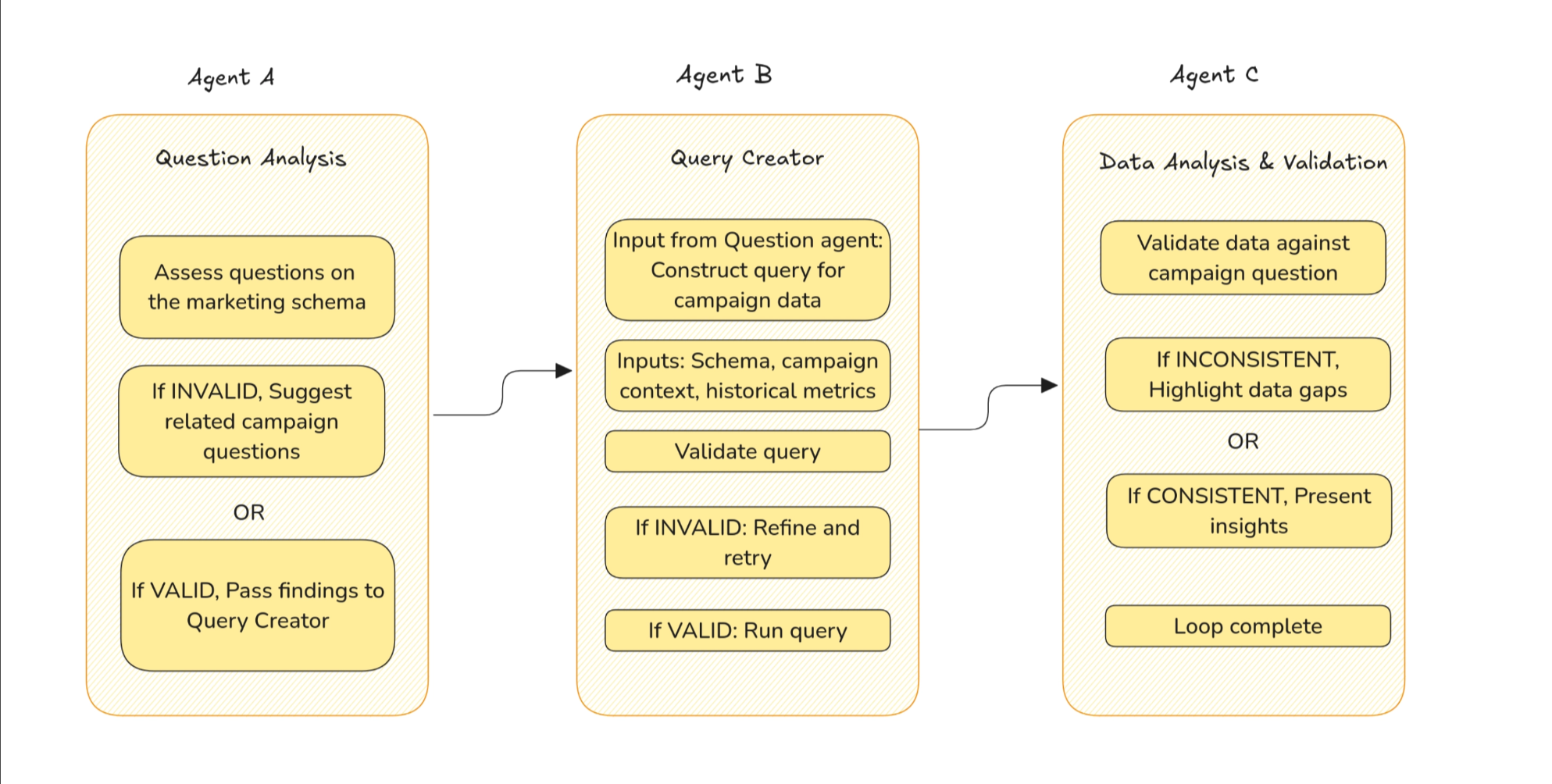
How to Build AI Agents on Enterprise Data Platforms
Building AI agents that operate safely on enterprise data starts before any model is chosen. The sequence that tends to hold up in practice:
- Define the data products the agent will draw from, with clear ownership and documented interfaces
- Establish the boundaries of the agent’s autonomy: what it can flag versus what it can act on unsupervised
- Instrument feedback loops so incorrect agent actions surface quickly and get corrected
- Layer monitoring and rollback into the agent’s action space from day one, not after an incident
[related-2]
Skipping the data readiness step is the most common failure mode. An agent built on ungoverned data platforms inherits every gap in that platform and acts on them faster than a human would.
Types of Data Agents Operating on Enterprise Data Today
Not all data agents do the same job. Common categories include:
- Quality agents, which monitor drift and flag anomalies in real time
- Governance agents, which enforce access policy and track lineage continuously
- Orchestration agents, which manage pipeline dependencies at a scale that manual documentation cannot keep up with
- Data recovery agents, which restore systems after loss or corruption, are covered in detail below
What Is a Data Recovery Agent
A data recovery agent is a data agent scoped specifically to detect data loss, corruption, or pipeline failure and restore the affected dataset to a known good state, often by identifying the last valid checkpoint and replaying downstream processes from there.
Where a quality agent flags a problem, a data recovery agent is built to resolve it, which makes it one of the higher-autonomy, higher-risk categories on this list, and one that warrants the tightest rollback controls.
Enterprise Data Platforms and Data Agents: Why One Depends on the Other
What is enterprise data?
It is the full body of information an organisation generates and relies on to operate, spanning transactional systems, customer records, operational logs, and unstructured content.
[related-3]
What is enterprise data management?
It is the discipline of governing information consistently: how it’s stored, secured, documented, and made available across teams.
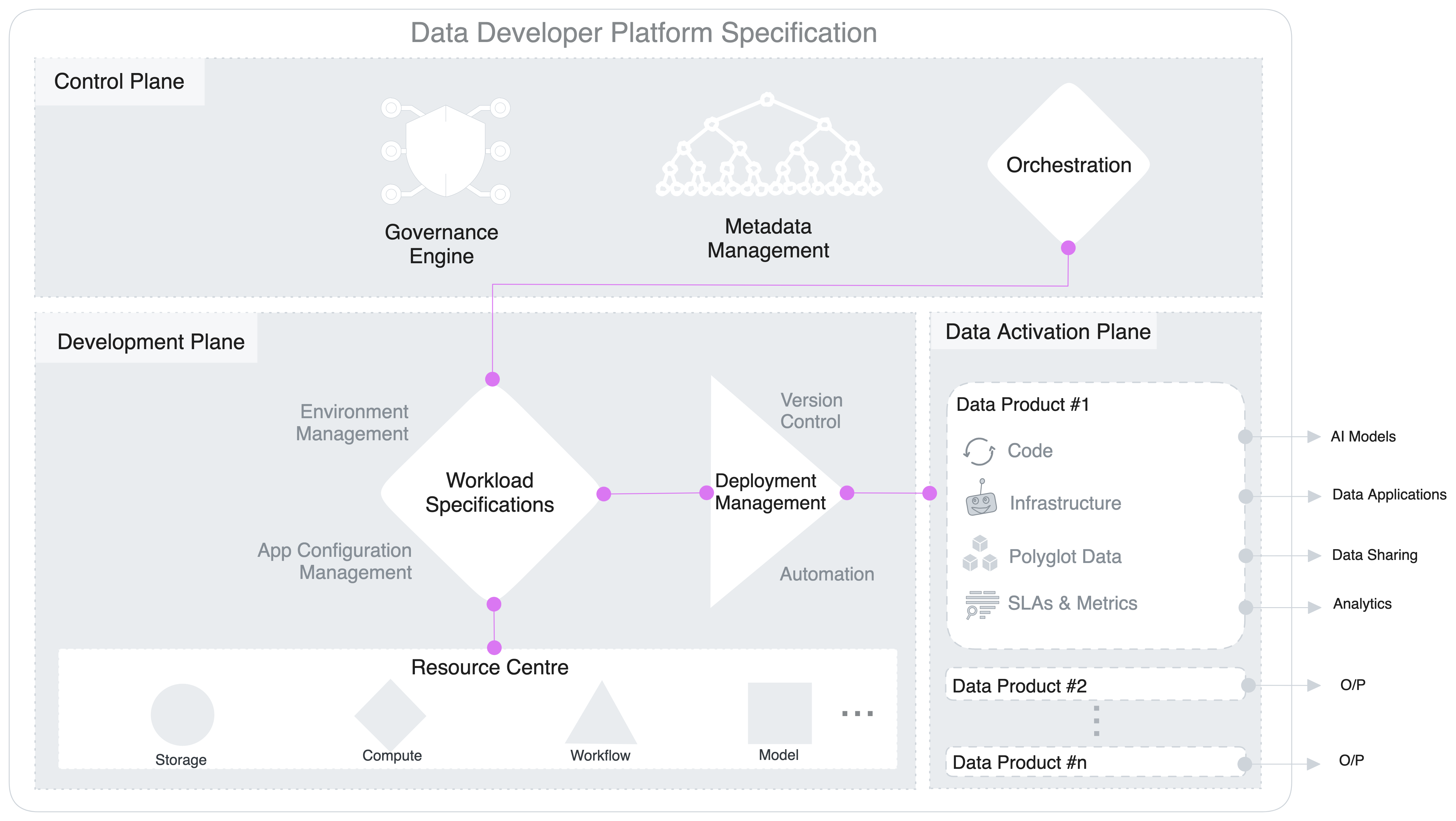
An enterprise data platform is the technical layer that puts this into practice, and an enterprise data strategy is the plan that decides what gets built, in what order, and why. Enterprise data governance is the connective tissue: without defined ownership, quality enforcement, and access policy, data agents have nothing trustworthy to act on.
Data agents don’t replace this foundation. They depend on it entirely, and they expose its gaps faster than any manual process would.
Since a data agent can only act as safely as the data platform beneath it allows, sequencing matters: governed, discoverable data has to exist before any agent is given autonomy to act on it. See how that sequencing plays out in a Lean AI approach that governs data before autonomous action.
FAQs
Q: What is agentic AI in one sentence?
A: Agentic AI is AI that pursues multi-step goals with a degree of independence, rather than responding to a single prompt.
Q: What is a data recovery agent?
A data recovery agent detects data loss, corruption, or pipeline failure and restores the affected dataset to a known good state, typically by identifying the last valid checkpoint and replaying downstream processes from there. It carries a higher risk than a quality agent because it acts to fix the problem, not just flag it.
Q: What is the first step in building AI agents for enterprise data?
A: Defining the data products the agent will draw from, with documented ownership, before any model or action logic is built.
Q: How do data agents differ from analytics agents?
A: Analytics agents interpret and report on data: they answer questions, summarise trends, and generate outputs for people to read. Data agents go further and act on the data infrastructure itself, managing lineage, enforcing quality rules, or coordinating pipelines, which means an error doesn’t just produce a bad chart; it can change the state of a live system.
Connect with a community data expert
A no-cost session with a practitioner who's been where you are.
About Modern Data 101
Modern Data 101 is a movement redefining how the world thinks about data. A community built by the same team behind the world’s first data operating system, Modern Data 101 sits at the intersection of data, product thinking, and AI. Spread across 150+ countries, the community brings together a global network of practitioners, architects, and leaders who are actively building the next generation of data systems.
At its core, Modern Data 101 exists to simplify the journey from raw data to tangible and observable impact. It advocates high-potential data systems and next-gen architectures to unify and activate insights and automation across analytics, applications, and operational workflows at the edge.
In a world shifting from data stacks to AI ecosystems, Modern Data 101 helps teams not just navigate the change but lead it.


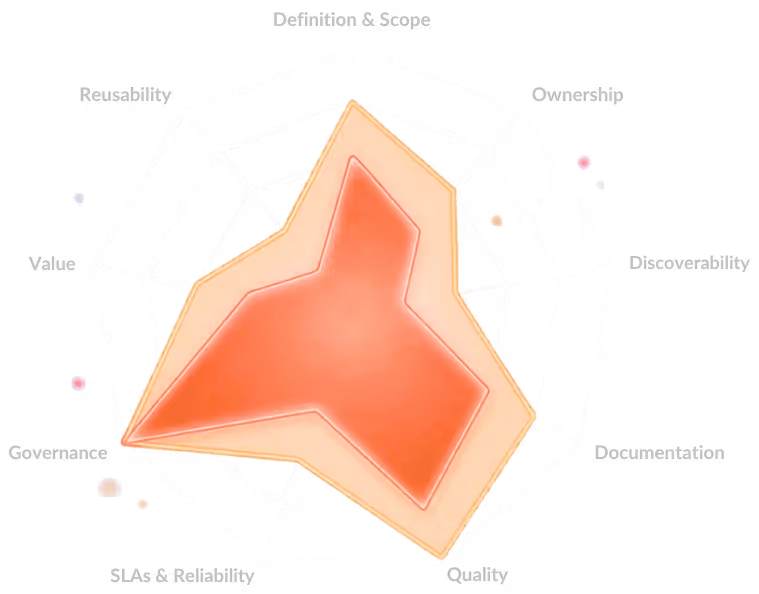
A 9-dimension self-assessment used by 100+ data teams to benchmark strategy, ownership, and platform readiness.


Rakesh Vishvakarma
Rakesh is a data engineer who transforms raw data into fine wine. When he's not using AI to tag tables or make spot-on recommendations, he's deep into philosophical books or ones with more twists than his latest ETL pipeline, pondering existence and data governance.
Read the ideas here. Build them with The Modern Data Company.
Modern Data 101 is where the data community thinks out loud. When you're ready to move from articles to architecture, data products, governed AI pipelines, or a full Data Operating System; the team behind this community can help you build it.
Continue reading
.png)